


Living in a gloomy space can feel draining, but the good news is that brightening a dark room doesn’t require a major renovation. Whether your room lacks natural light or simply feels dim due to colour choices and layout, there are practical solutions that can transform it into a welcoming, light-filled environment.
This guide covers everything from paint colours and mirrors to flooring choices and lighting strategies, so you can make any room in your home feel brighter and more spacious.
Why Does Your Room Feel Dark?
Before jumping into solutions, it helps to understand what makes a room appear dark in the first place. Several factors work together to create a dim environment:
- Limited or small windows that restrict natural light entry
- Dark wall colours or heavy wallpapers that absorb light
- Heavy, dark furniture that creates visual weight
- Poor room layout that blocks light flow
- Lack of reflective surfaces to bounce light around
- North-facing orientation (in the UK) that receives less direct sunlight
By addressing these elements, you can significantly improve how bright and open your room feels without structural changes.
How to Increase Natural Light in a Room
Maximising natural light is the most effective way to brighten any space. Here are proven strategies that interior designers recommend:
1. Choose Lighter Paint Colours
Lighter wall colours reflect more light around the room, instantly making it feel brighter and more open. Soft whites, pale greys, light blues, and warm creams all work well.
When selecting paint, consider the Light Reflectance Value (LRV). Colours with an LRV above 70% reflect a significant amount of light. Popular choices for dark rooms include:
- Warm whites like Dulux White Cotton or Farrow & Ball All White
- Pale blues that mimic sky tones and create an airy feel
- Soft yellows that add warmth while reflecting light
- Light greens that bring a natural, refreshing quality
If you prefer some colour on the walls, keep the ceiling white or even a shade lighter than the walls to draw the eye upward and create a sense of height.
2. Place Mirrors Strategically
Mirrors are one of the most effective tools for brightening a dark room. They act as secondary light sources by reflecting and distributing whatever light is available.
For maximum impact:
- Position mirrors opposite windows so they bounce natural light back into the room
- Use larger mirrors for a bolder effect and to create an illusion of depth
- Place mirrors near light fittings to amplify artificial lighting at night
- Try a gallery wall of small mirrors for a decorative approach that still reflects light
Mirrored furniture, such as side tables or console tables, can also contribute to the reflective effect without dominating the room.
3. Keep Windows Clean and Unobstructed
Dirty windows can block up to 40% of available light. Regular cleaning, both inside and out, makes a noticeable difference.
Beyond cleaning, consider your window treatments. Heavy curtains or dark blinds absorb light even when open. Switch to:
- Sheer curtains that diffuse light softly
- Light-coloured roman blinds that sit flush when raised
- Voile panels that provide privacy without blocking brightness
Also check that furniture, shelves, or tall plants aren’t obstructing light from entering through your windows.
4. Opt for Light-Coloured Furniture and Decor
Dark furniture absorbs light, making a room feel smaller and dimmer. Where possible, choose pieces in lighter tones:
- Sofas and armchairs in cream, beige, or light grey
- Light wood coffee tables and bookshelves
- Pastel or white cushions and throws
- Light-coloured lampshades that glow warmly when lit
You don’t need to replace everything. Even swapping out dark cushion covers, throws, or curtains for lighter alternatives can shift the mood of a room considerably.
5. Use Light-Reflecting Surfaces and Finishes
Materials with a sheen or gloss finish bounce light around a room more effectively than matte surfaces. Consider incorporating:
- High-gloss or satin paint finishes on woodwork and doors
- Glass or acrylic furniture pieces
- Metallic accents such as brass, chrome, or copper accessories
- Polished stone or lacquered surfaces
Even small touches, like a glass vase or metallic picture frames, can help distribute light throughout the space.
How to Brighten a Dark Room with the Right Flooring Colours
Flooring covers the largest horizontal surface in any room, so its colour and finish have a major impact on how bright the space feels. The right flooring choice can transform a gloomy room into one that feels airy and welcoming.
1. Light-Coloured Wood Floors
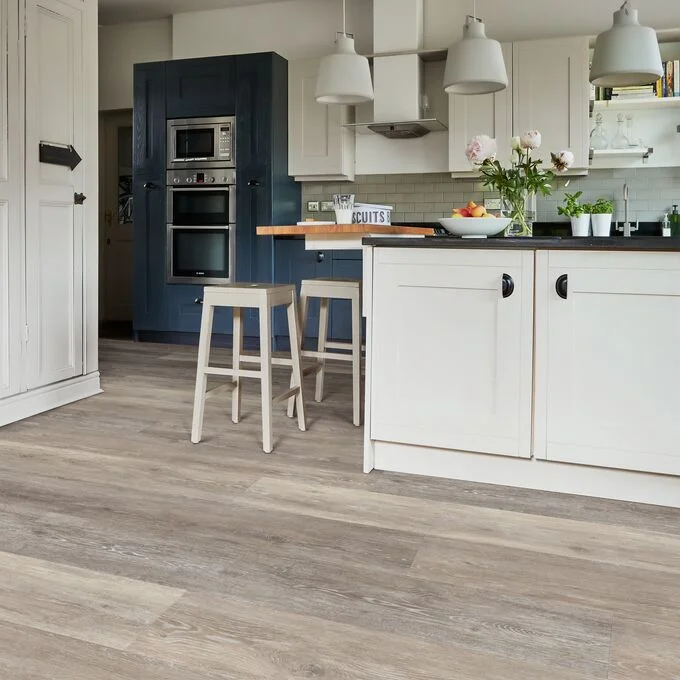
Wood or wood-look floors in lighter shades such as ash, maple, or light oak reflect significantly more light than darker stains. They add natural warmth while making the room feel open and spacious.
Light wood floors are particularly effective in north-facing rooms or hallways with limited windows, where every bit of reflected light makes a difference.

See product: Lionvest Solid Oak Parquet 176 Prime Unfinished
2. White or Off-White Tiles
Ceramic or porcelain tiles in white or off-white have a high light reflectance value, bouncing light around the room and amplifying both natural and artificial lighting. They work especially well in kitchens, bathrooms, and hallways.
For extra brightness, choose tiles with a polished or semi-gloss finish rather than matte. The reflective surface creates a subtle shimmer that enhances the room’s luminosity.

See product: Luvanto Design White Sparkle
3. Soft, Neutral Carpeting
If you prefer carpet, choose light neutral colours like beige, cream, or light grey. These shades reflect light and make a room feel more spacious while adding a cosy, comfortable texture underfoot.
Light carpets also work well alongside darker accent furniture, creating contrast without making the room feel heavy.
See product: Abingdon Olympus Lace
4. Reflective Flooring Finishes
Flooring materials with a glossy or semi-gloss finish enhance light reflection, making the room appear brighter. Polished tiles, lacquered engineered wood, and high-gloss laminates all achieve this effect.
Balance is important here. A high-gloss finish can look stunning in the right setting but may appear too clinical in a living room. Satin finishes offer a good middle ground, providing some reflectivity without an overly shiny look.

See product: Lionvest Engineered 465 Lacquered Rustic
5. Light-Coloured Rugs
If replacing your entire floor isn’t an option, large light-coloured area rugs can make a significant difference. Rugs in whites, creams, or pastels cover darker floors and introduce lighter tones that help brighten the overall room.
Place them in the centre of the room or beneath key furniture groupings to create a bright focal point that lifts the entire space.
6. Coordinating Flooring with Walls and Decor
For the best results, pair light-coloured flooring with complementary light walls and furnishings. This cohesive colour scheme prevents any single element from absorbing too much light, keeping the room consistently bright and airy.
A good rule of thumb is to keep your flooring within two to three shades of your wall colour. This creates a seamless visual flow that maximises the perception of space and light.
How to Brighten a Room with No Windows
Rooms without windows present a unique challenge, but with the right approach, they can still feel bright and inviting.
Layer Your Artificial Lighting
In a windowless room, artificial lighting needs to work harder. Instead of relying on a single ceiling light, create layers:
- Ambient lighting: Overhead fixtures or recessed downlights that provide general illumination
- Task lighting: Desk lamps, reading lights, or under-cabinet strips for focused activities
- Accent lighting: Wall sconces, LED strips, or spotlights that highlight features and add depth
Choose bulbs with a colour temperature between 3000K and 4000K for a natural daylight feel without the harshness of cool white.
Try Light Therapy Lamps
Light therapy boxes that emit bright, full-spectrum light can simulate natural sunlight in windowless spaces. Using one for 20 to 30 minutes a day can improve mood, energy levels, and your sense of connection to natural daylight cycles.
Many modern light therapy devices are compact and stylish enough to blend into your room’s decor.
Use Light Furniture and Decor
In rooms without natural light, the colour of your furniture and decor matters even more. Stick to light neutrals, pale pastels, and white tones to maximise the effect of your artificial lighting.
Adding reflective elements like mirrors, glass surfaces, and metallic accents helps bounce artificial light around, creating a sense of depth and preventing the space from feeling boxed in.
Add Plants That Thrive in Low Light
Greenery brings life and freshness to any room, including those without windows. Several houseplants thrive in low-light conditions:
- Snake plants are hardy and require minimal light
- Pothos trails beautifully and tolerates dark corners
- ZZ plants are virtually indestructible in low-light areas
- Peace lilies add flowers even in shade
If live plants aren’t practical, high-quality artificial greenery can still add that visual freshness.
Consider a Skylight or Light Tube
For a more permanent solution, skylights and light tubes channel natural daylight from the roof into interior spaces. Light tubes are particularly practical for rooms deep within a building, as they can route sunlight through flexible tubing.
While installation requires professional help, the result is genuine natural light that transforms the space and reduces energy costs from daytime lighting.
Additional Tips to Brighten Any Dark Room
Keep the Room Clean and Clutter-Free
Clutter absorbs light and creates shadows. A tidy, well-organised room allows light to flow freely and bounce off surfaces. Regular decluttering and mindful furniture placement ensure nothing blocks available light sources.
Choose the Right Window Treatments
Light-coloured curtains and blinds make a surprising difference. Heavyweight drapes in dark colours can make even a well-lit room feel dim. Switch to lightweight fabrics in white, cream, or pastel shades that allow light through while still providing privacy.
Adjust Lighting Throughout the Day
Install dimmer switches so you can adapt lighting levels to changing conditions. Brighter settings for overcast mornings, warmer dim settings for evenings. This flexibility helps maintain a pleasant atmosphere at all times.
Smart bulbs that adjust colour temperature automatically are another excellent option, mimicking natural daylight patterns throughout the day.
Select Light-Coloured Flooring
Flooring is one of the most impactful changes you can make. Light bamboo, pale oak, cream laminate, and soft stone tiles all reflect light upward, contributing to the overall brightness of the room.
When combined with light walls and furniture, lighter flooring creates a cohesive, luminous environment that makes the space feel significantly larger and more open.
Frequently Asked Questions
What is the best colour to brighten a dark room?
White and off-white shades with a high Light Reflectance Value (above 70%) are the most effective at brightening dark rooms. Warm whites, pale greys, and soft creams all work well. Avoid pure brilliant white in north-facing rooms as it can look cold. Instead, opt for whites with a subtle warm undertone.
Can flooring really make a dark room brighter?
Absolutely. Flooring covers the largest horizontal surface area in most rooms, so its colour and finish have a major impact on brightness. Switching from dark flooring to light oak, cream tiles, or pale carpet can make a noticeable difference, especially when paired with lighter walls and furniture.
How do you brighten a north-facing room in the UK?
North-facing rooms receive cooler, indirect light. To counteract this, use warm-toned paint colours (warm whites or soft creams), maximise any available light with mirrors placed opposite windows, choose light-coloured flooring, and add warm artificial lighting. Avoid cool blues and greys that can make the space feel colder.
Is it better to have glossy or matte flooring in a dark room?
Glossy or satin finishes reflect more light, making them better choices for dark rooms. However, high-gloss floors can show scratches and footprints more easily. A satin or semi-gloss finish offers a practical balance between light reflection and everyday durability.
What artificial lighting works best in rooms without windows?
Layered lighting works best. Combine ambient overhead lights, task lighting, and accent lights to create depth and avoid a flat, artificially-lit feel. Use bulbs between 3000K and 4000K for a natural daylight effect, and install dimmer switches for flexibility throughout the day.
Brightening a dark room comes down to making smart choices about colour, surfaces, and light. From the paint on your walls to the flooring beneath your feet, every element either absorbs or reflects light. By choosing lighter tones, reflective finishes, and strategic lighting, you can transform even the gloomiest room into a bright, inviting space.
For the right flooring to brighten your room, visit TEKA Flooring and explore our range of light-coloured options that can make all the difference.
Read also: