

When choosing new flooring for your home, the debate around hybrid flooring vs. engineered wood often comes up. Both options offer a stylish and practical solution, but they differ significantly in composition, performance, and overall feel. Understanding these differences will help you make a confident and informed decision that suits your lifestyle, budget, and interior design goals.
What Is Hybrid Flooring?
Hybrid flooring is a modern innovation designed to combine the best features of laminate flooring and LVT. It is built with multiple rigid layers, making it highly durable and water-resistant—ideal for busy households.
A. Construction and Materials
Hybrid flooring typically features a rigid core made from limestone composite or SPC (stone plastic composite). This core is topped with a decorative layer that mimics natural wood and a protective wear layer for durability.
B. Water Resistance
One of the biggest advantages of hybrid flooring is its waterproof nature. It can handle spills, humidity, and even wet areas like kitchens and bathrooms without warping.
C. Durability
Thanks to its tough wear layer, hybrid flooring resists scratches, dents, and stains, making it a great choice for homes with pets or children.
D. Installation
Hybrid flooring usually comes with a click-lock system, making installation quick and straightforward, often without the need for adhesives.
Read also: Is Laminate Flooring Toxic? What You Need to Know
What Is Engineered Wood Flooring?
Engineered wood flooring offers the beauty of real hardwood with improved stability. It consists of a genuine timber top layer supported by multiple layers of plywood or high-density fibreboard.
A. Construction and Materials
Unlike solid wood, engineered wood features a layered construction. The top layer is real hardwood, while the base layers provide strength and resistance to movement.
B. Natural Appearance
Engineered wood delivers an authentic look and feel that’s hard to replicate. Each plank showcases unique grain patterns, adding warmth and character to any room.
C. Stability
Due to its layered design, engineered wood is less prone to expansion and contraction compared to solid wood, making it suitable for areas with slight temperature fluctuations.
D. Longevity
High-quality engineered wood can be sanded and refinished several times, extending its lifespan and maintaining its appearance for years.
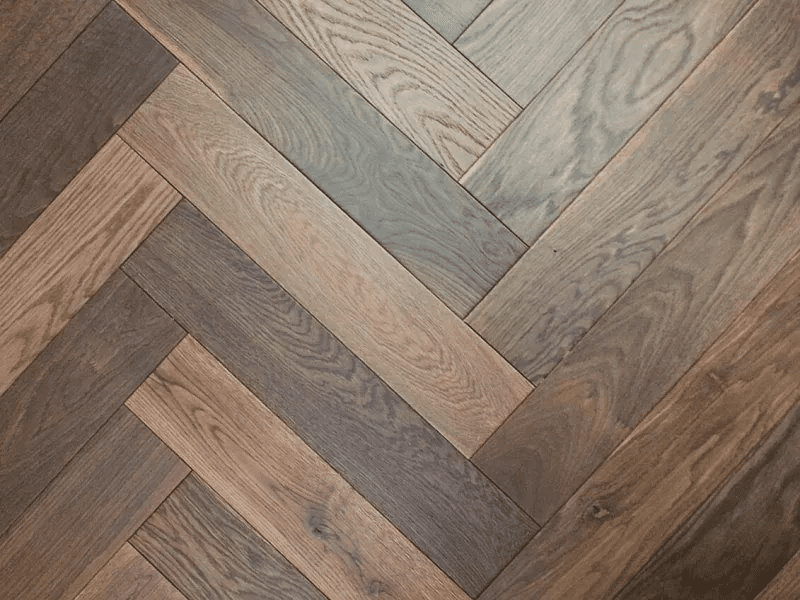
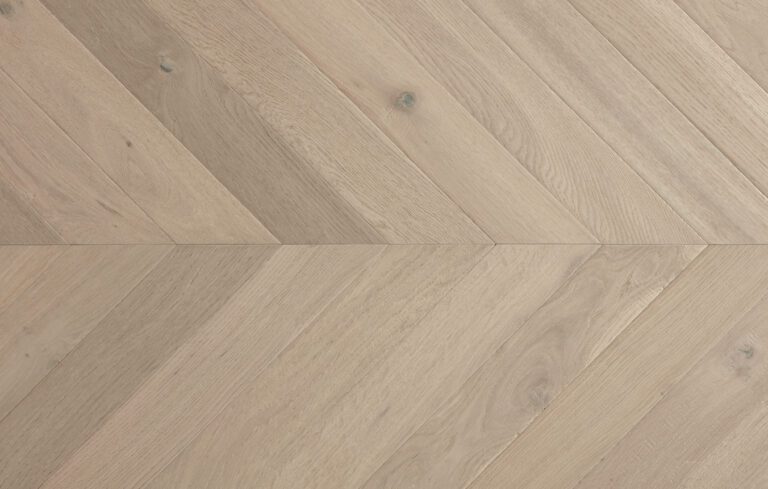
See product: TEKA Flooring “Elka 14mm Real Wood Herringbone Dark Smoked Oak Wood Flooring” – a premium option with a brushed finish and timeless appeal.
Hybrid Flooring vs. Engineered Wood: Key Differences
When comparing Hybrid Flooring vs. Engineered Wood, it’s essential to look at how each performs in everyday situations. Below are the main differences to consider.
A. Appearance and Aesthetics
Engineered wood wins when it comes to authenticity. It offers the natural beauty of real timber, while hybrid flooring provides a realistic but printed wood effect.
B. Water Resistance
Hybrid flooring is fully waterproof, making it ideal for kitchens, bathrooms, and utility rooms. Engineered wood, while more stable than solid wood, is still susceptible to moisture damage.
C. Comfort Underfoot
Engineered wood generally feels warmer and more comfortable underfoot, thanks to its natural composition. Hybrid flooring can feel slightly firmer, although underlay can improve comfort.
D. Maintenance
Hybrid flooring is easier to maintain, requiring only regular sweeping and occasional mopping. Engineered wood needs more care, including specialised cleaning products and protection from excess moisture.
E. Cost
Hybrid flooring is usually more budget-friendly, both in terms of material and installation. Engineered wood is a premium option, reflecting its authentic materials and long-term value.
See product: TEKA Flooring “Urban Grey Hybrid Series” – a cost-effective solution with a contemporary finish.
Which Flooring Should You Choose?
Choosing between hybrid flooring vs. engineered wood ultimately depends on your specific needs, lifestyle, and design preferences. Both options have their strengths, and the right choice will vary from one home to another.
A. Best for Busy Households
If you have a high-traffic home with pets or children, hybrid flooring offers unmatched durability and ease of maintenance.
B. Best for Style and Elegance
For those who prioritise aesthetics and want a premium finish, engineered wood is the clear winner with its natural charm and timeless appeal.
C. Best for Moisture-Prone Areas
Hybrid flooring is the better option for kitchens, bathrooms, and basements due to its waterproof properties.
D. Best Long-Term Investment
Engineered wood can add value to your home and last for decades if properly maintained, making it a worthwhile investment.
Final Thoughts
The choice between hybrid flooring vs. engineered wood comes down to balancing practicality with aesthetics. Hybrid flooring excels in durability and water resistance, while engineered wood stands out for its natural beauty and long-term value.
If you’re leaning towards a more premium, authentic finish, engineered wood flooring is an excellent choice that can transform your space with warmth and elegance.
At TEKA Flooring, you’ll find a wide range of high-quality engineered wood options to suit every style and budget. Why not pop into our showroom in Peterborough on the edge of the city for a hands-on look at the latest ranges?
Alternatively, drop us a message on WhatsApp for a friendly, no-obligation consultation and a tailored quote—our team is always happy to help you find the perfect flooring solution.
Read also: How to Install Engineered Wood Flooring (Step-by-Step Guide)