

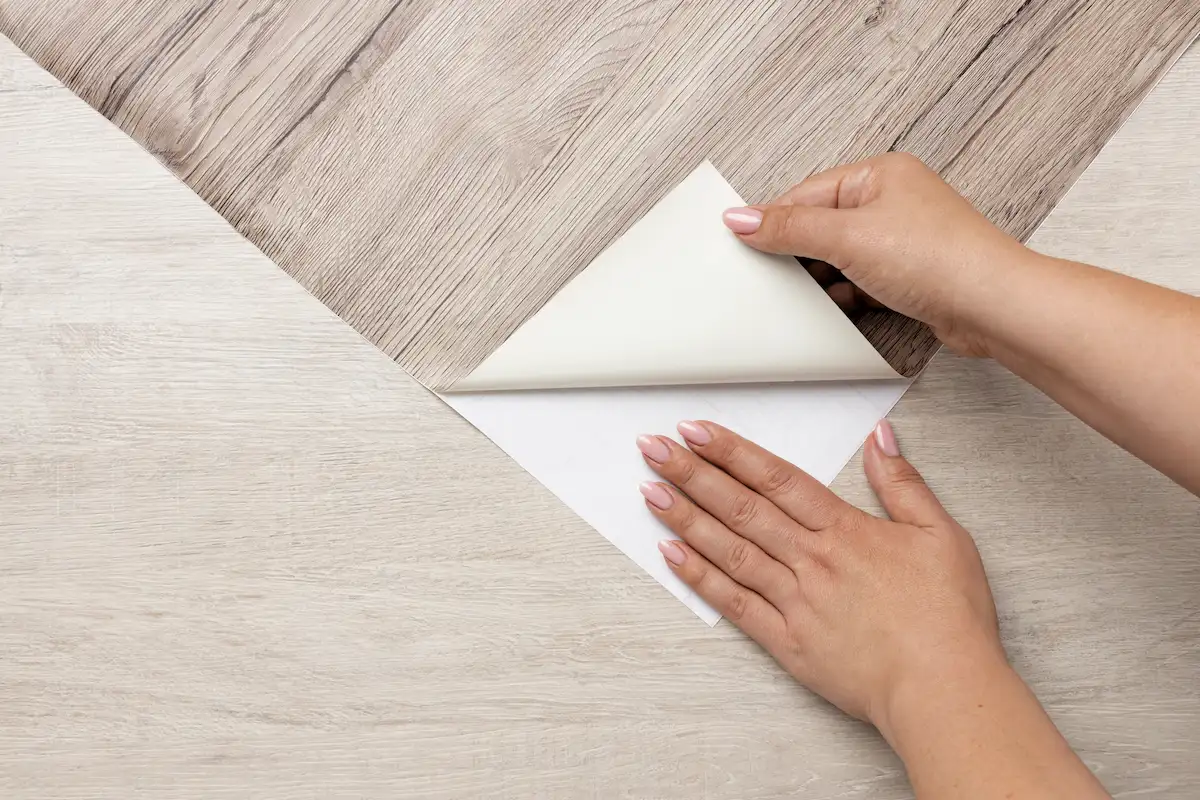
Learning how to lay vinyl flooring on uneven floor surfaces is essential if you want a professional-looking result that lasts. Uneven subfloors can lead to bumps, premature wear, and poor adhesion, but with the right preparation and techniques, you can achieve a smooth and durable finish. This guide walks you through practical steps, tools, and expert tips to help you get it right the first time.
Understanding the Challenges of Uneven Floors
Before starting your project, it’s important to understand why uneven floors can be problematic and how they affect vinyl installation. Even minor imperfections can show through vinyl, especially thinner options.
A. Common Causes of Uneven Floors
Subfloors can become uneven due to structural movement, moisture damage, poor initial installation, or general wear over time. Concrete may develop dips or cracks, while wooden floors might warp or sag.
B. Why Vinyl Flooring Needs a Smooth Base
Vinyl flooring, particularly luxury vinyl tiles (LVT), is flexible. This means it will mirror the surface beneath it. Without proper preparation, imperfections will be visible and may worsen over time.
C. Assessing Your Floor Condition
Use a straight edge or spirit level to identify high and low spots. Small irregularities can be corrected easily, while larger issues may require more extensive levelling work.
Preparing the Subfloor Properly
Preparation is the most important stage when learning how to lay vinyl flooring on uneven floor surfaces. Skipping this step can compromise the entire installation.
A. Cleaning the Surface
Remove all dust, debris, grease, and old adhesive. A clean surface ensures better bonding and prevents future issues.
B. Repairing Cracks and Holes
Fill any visible cracks or gaps using a suitable filler or patching compound. For wooden subfloors, replace damaged boards and secure any loose sections.
C. Levelling the Floor
Apply a self-levelling compound to smooth out dips and uneven areas. This creates a flat, stable base ideal for vinyl flooring installation.
See product: TEKA ProLevel Self-Levelling Compound – designed for quick drying and smooth finishes.
D. Sanding High Spots
For raised areas, lightly sand or grind down the surface. This step is especially important for wooden floors where slight height differences can affect the final result.
Read also: Non-Slip Flooring for Elderly Homes: Safe & Stylish Options
Choosing the Right Vinyl Flooring
Not all vinyl flooring performs equally well on slightly uneven surfaces. Selecting the right product can make a big difference.
A. Thickness Matters
Thicker vinyl flooring or LVT is better at masking minor imperfections. Look for products with a strong wear layer and rigid core.
B. Click vs Glue-Down Vinyl
Click-lock vinyl is easier to install and can handle slight unevenness, while glue-down vinyl requires a perfectly smooth surface for best results.
C. Underlay Considerations
Some vinyl flooring options come with built-in underlay, which helps absorb minor imperfections and improves comfort underfoot.
See product: TEKA ComfortCore Click LVT – features integrated underlay for enhanced stability.
D. Water Resistance and Durability
Choose waterproof vinyl for kitchens, bathrooms, or high-traffic areas. Durable options ensure longevity even if the subfloor isn’t perfectly level.
Step-by-Step Installation Process
Once your floor is prepared and materials selected, it’s time to begin installation. Following a clear process ensures a professional finish.
A. Acclimatising the Vinyl
Leave the vinyl flooring in the room for at least 24–48 hours before installation. This allows it to adjust to temperature and humidity.
B. Planning the Layout
Measure the room and plan your layout to minimise cuts and ensure a balanced appearance. Start from the centre or a straight wall for best results.
C. Installing the Vinyl Flooring
Lay the vinyl planks or tiles according to the manufacturer’s instructions. For click systems, lock each piece securely. For glue-down options, apply adhesive evenly.
D. Cutting and Fitting Edges
Use a sharp utility knife to cut pieces for edges and corners. Ensure a snug fit while leaving a small expansion gap if required.
Read also: Does Vinyl Flooring Look Real?
Tips for a Professional Finish
Even if you’re confident in how to lay vinyl flooring on uneven floor areas, these tips will help elevate your results.
A. Work in Small Sections
Installing in manageable sections ensures better accuracy and prevents mistakes.
B. Use a Roller
After installation, use a floor roller to press the vinyl firmly into place, especially for glue-down flooring.
C. Check for Gaps or Bubbles
Inspect your work as you go. Address any gaps or air pockets immediately to avoid long-term issues.
D. Maintain Consistent Pressure
Apply even pressure during installation to ensure proper adhesion and alignment.
See product: TEKA Precision Flooring Roller Kit – ideal for achieving a smooth, professional finish.
Maintaining Your Vinyl Floor
Once installed, proper maintenance will keep your flooring looking great for years.
A. Regular Cleaning
Sweep or vacuum regularly to remove dirt and debris that could scratch the surface.
B. Avoid Excess Moisture
Although vinyl is water-resistant, excessive water can damage subfloors. Use a damp mop rather than soaking the floor.
C. Protect High-Traffic Areas
Use rugs or mats in busy areas to reduce wear and tear.
D. Inspect Periodically
Check for signs of lifting or damage and address them promptly to extend the life of your flooring.
Conclusion: Get Expert Help for the Best Results
Understanding how to lay vinyl flooring on uneven floor surfaces can save you time, money, and frustration. With proper preparation, the right materials, and careful installation, you can achieve a flawless finish even on challenging subfloors.
If you’d prefer professional results without the hassle, TEKA Flooring Peterborough is here to help. Explore our wide range of high-quality LVT options and benefit from our expert fitting service. Visit our showroom to see samples in person or contact us via WhatsApp for a convenient consultation. Let TEKA Flooring transform your space with precision and style.
Read also: How to Clean Vinyl Flooring Properly (Complete Guide)