

If you’re considering upgrading your home with both warmth and style, you may be wondering: can you put engineered wood over underfloor heating? The short answer is yes—but there are important factors to consider to ensure long-term performance and durability. Engineered wood is one of the most suitable flooring options for use with underfloor heating systems, thanks to its layered construction and improved stability compared to solid wood.
In this guide, we’ll explore everything you need to know about combining engineered wood with underfloor heating, including benefits, installation tips, and common pitfalls to avoid.
Can You Put Engineered Wood Over Underfloor Heating?
Engineered wood is specifically designed to handle temperature changes better than traditional hardwood. Its construction makes it more stable, which is essential when paired with heating systems beneath the floor.
A. Multi-Layer Construction
Engineered wood consists of multiple layers, typically with a hardwood top layer and a plywood or high-density fibreboard core. This layered structure reduces expansion and contraction caused by heat, making it ideal for underfloor heating systems.
B. Better Heat Conductivity
Compared to thicker solid wood planks, engineered wood allows heat to pass through more efficiently. This means your room warms up faster and retains heat more effectively, improving energy efficiency.
C. Reduced Risk of Warping
One of the biggest concerns with wood flooring over heating systems is warping. Engineered wood significantly reduces this risk due to its cross-layered design, which enhances dimensional stability.
Read also: Engineered Oak Flooring Buying Guide for Your Home
Key Considerations Before Installation
Although the answer to can you put engineered wood over underfloor heating is yes, proper preparation is crucial for a successful installation.
A. Moisture Content
Before installation, ensure the subfloor is completely dry. Excess moisture can damage both the heating system and the flooring. Always check moisture levels and use a suitable damp-proof membrane if required.
B. Acclimatisation
Allow the engineered wood planks to acclimatise in the room for at least 48 hours before installation. This helps the material adjust to the temperature and humidity conditions, reducing the risk of movement after fitting.
C. Maximum Temperature Limits
Most manufacturers recommend keeping the floor surface temperature below 27°C. Exceeding this can cause the wood to dry out and potentially crack or warp over time.
D. Suitable Underlay
If you’re using a floating floor installation method, choose an underlay specifically designed for underfloor heating. It should allow efficient heat transfer while providing adequate support.
Installation Methods for Best Results
Choosing the right installation method plays a significant role in how well your flooring performs over underfloor heating.
A. Floating Installation
This is one of the most common methods. The planks are not fixed directly to the subfloor but instead “float” above it. This allows for natural expansion and contraction without stress on the material.
B. Glue-Down Method
For better heat transfer, many professionals recommend the glue-down method. This involves adhering the engineered wood directly to the subfloor, improving stability and thermal conductivity.
C. Avoid Nail-Down Installation
Nail-down methods are generally not suitable for underfloor heating systems, as they can damage pipes or heating elements beneath the surface.
Best Types of Engineered Wood for Underfloor Heating
Not all engineered wood flooring is created equal. Some options perform better than others when paired with heating systems.
A. Thin Planks (12–15mm)
Thinner boards allow heat to pass through more efficiently. Look for planks within this thickness range for optimal performance.
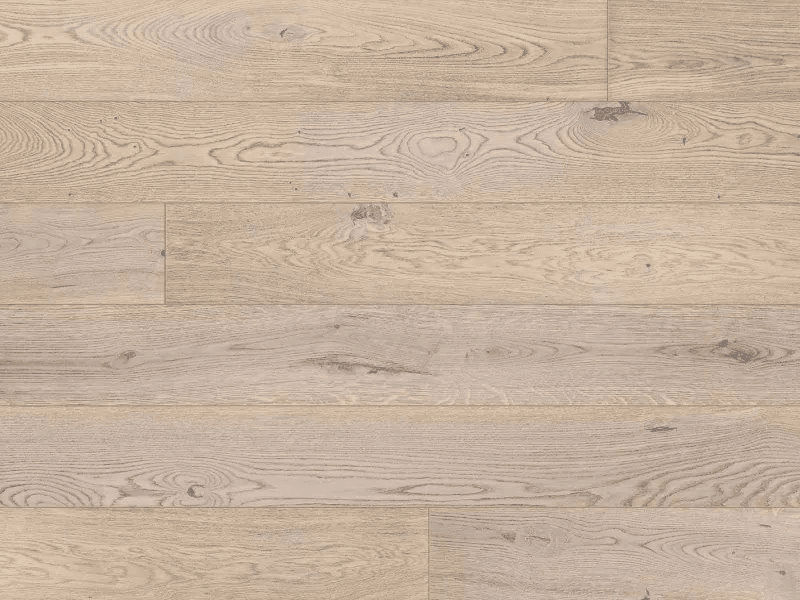
See product: Elka 12.5mm Real Wood Nightingale Oak Flooring
B. Oak Engineered Wood
Oak is one of the most popular choices due to its durability and stability. It also handles temperature fluctuations well, making it ideal for heated floors.
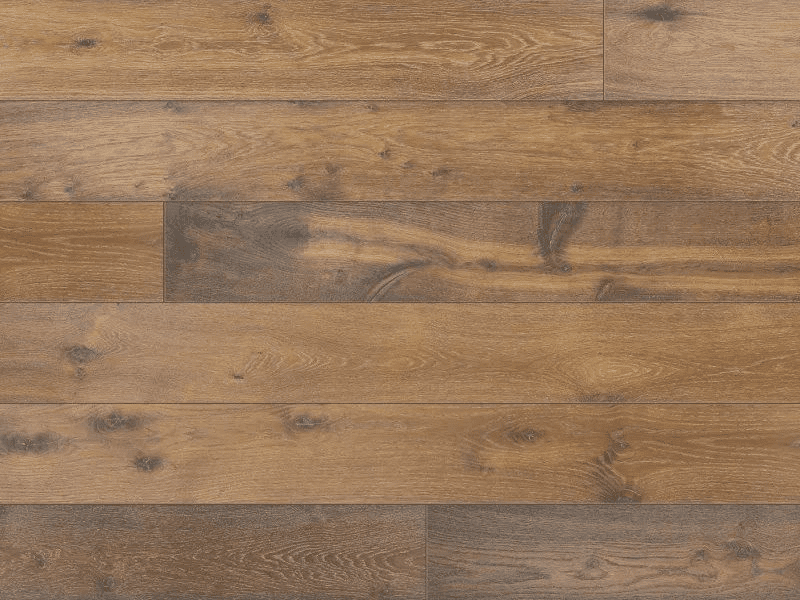
See product: Elka Real Wood Woodland Oak Flooring
C. Stable Core Materials
Choose products with high-quality plywood cores rather than softwood cores, as they offer better resistance to movement.
Common Mistakes to Avoid
Even though engineered wood is suitable for underfloor heating, mistakes during installation or use can lead to problems.
A. Switching Heat On Too Quickly
After installation, the heating system should be turned on gradually. Sudden temperature changes can shock the wood and cause movement.
B. Ignoring Expansion Gaps
Always leave appropriate expansion gaps around the edges of the room. This allows the flooring to expand and contract naturally.
C. Using the Wrong Adhesive
If you opt for a glue-down installation, ensure the adhesive is compatible with underfloor heating systems and can withstand temperature changes.
D. Poor Subfloor Preparation
An uneven or unclean subfloor can lead to poor results. Always ensure the surface is level, clean, and properly prepared before installation.
Maintenance Tips for Long-Term Performance
Proper care will ensure your engineered wood flooring continues to perform well over underfloor heating.
A. Maintain Stable Temperatures
Avoid frequent or extreme temperature changes. Gradual adjustments are key to preserving the integrity of the wood.
B. Control Humidity Levels
Keep indoor humidity between 40–60%. This helps prevent the wood from drying out or absorbing excess moisture.
C. Use Suitable Cleaning Methods
Avoid excessive water when cleaning. Use a damp mop and products specifically designed for engineered wood flooring.
D. Regular Inspections
Check for signs of movement, gaps, or wear over time. Addressing minor issues early can prevent costly repairs later.
Final Thoughts: Is It a Good Idea?
So, can you put engineered wood over underfloor heating? Absolutely—when done correctly, it’s a practical and stylish solution that offers both comfort and efficiency. With the right materials, proper installation, and ongoing care, engineered wood flooring can perform beautifully over underfloor heating systems for many years.
If you’re planning your next flooring project, TEKA Flooring Peterborough offers a wide range of engineered wood options perfectly suited for underfloor heating. Visit the showroom to see samples in person or get expert advice tailored to your home. Prefer something more convenient? Reach out via WhatsApp for a quick consultation and personalised recommendations to get your project started today.
Read also: Solid Wood Flooring & Engineered Wood Flooring Which is Better?