


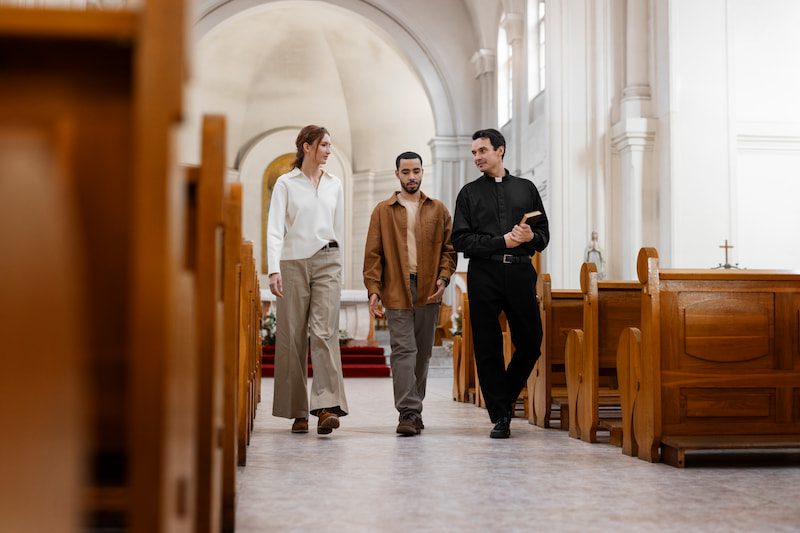
Selecting the right flooring for a church fellowship hall goes beyond looks. It means creating a welcoming space that can handle everything from Sunday lunches and youth group meetings to large community events. Durability, maintenance, aesthetics, and safety all play a part in making the best choice for your congregation.
This guide covers the key factors to consider, the best flooring materials for fellowship halls, installation tips, and answers to common questions so you can make an informed decision for your church community.
Why Choosing the Right Flooring Matters for a Church Fellowship Hall
A church fellowship hall is one of the busiest rooms in any church building. It hosts meals, meetings, children’s activities, receptions, and community outreach events throughout the week. The flooring needs to withstand constant foot traffic while remaining comfortable, safe, and visually welcoming.
Poor flooring choices can lead to costly replacements, safety hazards, and an unwelcoming atmosphere. The right flooring supports your church’s mission by keeping the space functional, attractive, and easy to maintain for years.
Key Factors to Consider When Choosing Flooring
Before selecting a flooring material, consider these critical factors that will determine how well the floor performs in your fellowship hall.
Durability and Traffic Resistance
Church fellowship halls experience high foot traffic from hundreds of congregants each week. The flooring must resist scratches, scuffs, and wear from chairs, tables, and heavy equipment being moved regularly.
Materials like luxury vinyl tile (LVT), vinyl composition tile (VCT), and commercial-grade carpet tiles are engineered to handle heavy use without showing premature wear. Investing in durable flooring reduces long-term replacement costs and keeps your hall looking its best between renovations.
Maintenance and Cleaning
Fellowship halls are prone to food spills, drink stains, and dirt tracked in from outside. Low-maintenance flooring saves your volunteers time and effort.
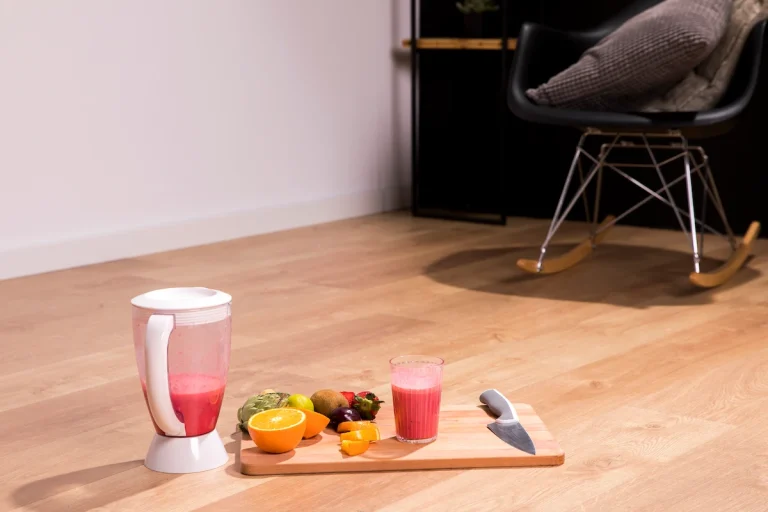
Vinyl plank and LVT flooring only need regular sweeping and occasional mopping with a mild detergent. Cleaning vinyl flooring properly is straightforward and requires no special equipment. Laminate is similarly easy to maintain, needing just a damp cloth to remove marks.
Avoid flooring that demands professional cleaning or waxing unless your church has the budget for regular maintenance contracts.
Aesthetics and Design
Your fellowship hall should feel warm and inviting. Modern flooring options offer a wide range of colours, patterns, and textures that can complement any interior design style, from traditional to contemporary.
LVT can replicate the look of natural wood or stone at a fraction of the cost, while carpet tiles allow creative patterns and colour combinations. Consider how the flooring will coordinate with your existing walls, furniture, and lighting to create a cohesive look.
Cost and Budget
Flooring costs vary significantly between materials. While hardwood may look stunning, it costs substantially more than vinyl or laminate alternatives that can achieve a similar appearance.
Consider the total cost of ownership rather than just the upfront price. A slightly more expensive LVT floor that lasts 20 years with minimal maintenance will cost less over time than a cheaper option that needs replacing every 5 to 7 years.
Safety Features
Church congregations include elderly members, young children, and people with mobility challenges. Slip resistance is essential, particularly near kitchen serving areas and entrances where spills and wet shoes are common.
Look for flooring with textured surfaces or built-in slip resistance ratings. Non-slip flooring options are particularly important for preventing falls and injuries in busy communal spaces.
Best Flooring Options for Church Fellowship Halls
Each flooring type has distinct advantages and trade-offs. Here is a breakdown of the most suitable options for fellowship hall environments.
Luxury Vinyl Tile (LVT)
LVT is one of the most popular choices for church fellowship halls in 2025, and for good reason. It combines durability, water resistance, and aesthetic versatility in a single product.
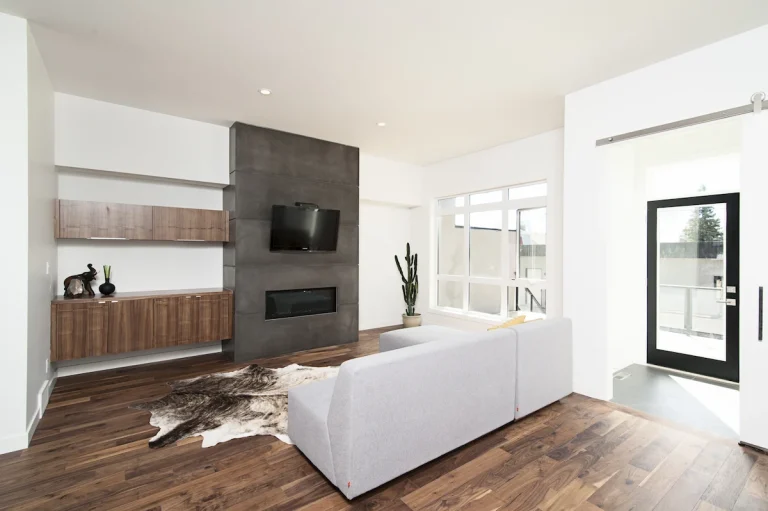
Available in wood-look planks, stone-effect tiles, and modern abstract designs, LVT for commercial spaces can transform a plain hall into an attractive community hub. It handles heavy foot traffic, resists staining, and cleans up easily after events.
LVT also provides some underfoot comfort and noise reduction compared to hard tiles, making it suitable for events where people stand for extended periods.
- Excellent durability for high-traffic environments
- Water-resistant and easy to clean
- Wide variety of designs that mimic natural materials
- Comfortable underfoot with sound-dampening properties
- Typical lifespan of 15 to 25 years with proper care
Carpet Tiles
Carpet tiles offer a practical and flexible flooring solution for fellowship halls that prioritise comfort and sound absorption.
Unlike broadloom carpet, individual tiles can be replaced when stained or damaged, making maintenance far more economical. They provide excellent noise control during large gatherings and create a softer, warmer atmosphere.
Commercial-grade carpet tiles are designed for heavy use and come with stain-resistant treatments. They work particularly well in halls that host children’s activities, small group meetings, and events where people sit on the floor.
- Individual tiles replaceable when damaged
- Superior sound absorption for gatherings
- Comfortable and warm underfoot
- Available in commercial-grade durability ratings
- Good for spaces with children’s activities
Vinyl Composition Tile (VCT)
VCT has been a staple in churches, schools, and community buildings for decades. It is affordable, extremely durable, and available in a wide range of colours.
The main drawback of VCT is that it requires regular stripping and waxing to maintain its appearance. If your church has a maintenance team or budget for floor care, VCT offers unbeatable value for the price. It handles heavy traffic, furniture movement, and spills with ease.
- Very affordable upfront cost
- Extremely durable and long-lasting
- Easy to repair individual tiles
- Requires periodic waxing and stripping
- Wide colour selection for custom designs
Laminate Flooring
Laminate provides the look of hardwood or stone at a budget-friendly price point. Modern laminate flooring features improved scratch resistance and realistic textures that closely mimic natural materials.
Installation is quick thanks to click-lock systems that require no glue or nails, minimising disruption to church activities. Laminate works well in fellowship halls where aesthetics are a priority but budget constraints rule out genuine hardwood. To understand how it compares with other options, read our guide on LVT vs laminate flooring.
- Affordable alternative to hardwood
- Quick and easy installation
- Good scratch and fade resistance
- Not fully waterproof (avoid near kitchens)
- Lifespan of 10 to 20 years depending on quality
Hardwood Flooring
Hardwood flooring adds timeless elegance to a fellowship hall and can last for generations when properly maintained. Oak, maple, and hickory are popular choices for their durability and beauty.
However, hardwood comes with a higher price tag and requires more careful maintenance. It can be scratched by furniture, damaged by moisture, and may need periodic refinishing. If your church values a traditional, high-end aesthetic and has the budget for ongoing care, hardwood remains a stunning choice. Learn more about acclimatising engineered wood flooring before installation.
- Classic, timeless appearance
- Can be refinished multiple times
- Adds property value
- Higher upfront and maintenance costs
- Susceptible to moisture and scratching
Ceramic and Porcelain Tile
Tile flooring is exceptionally durable, water-resistant, and easy to clean, making it a practical choice for fellowship halls with attached kitchens or serving areas.
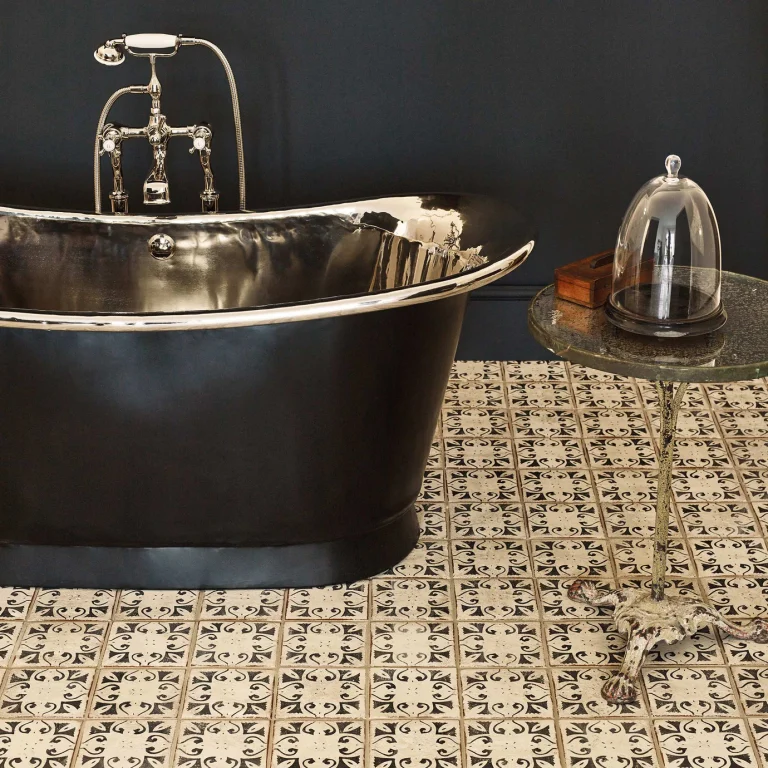
Porcelain tile in particular offers excellent wear resistance for high-traffic environments. The main considerations are that tile can be cold and hard underfoot, and grout lines may need periodic cleaning. Area rugs or carpet runners can add comfort in seating zones while keeping the practical benefits of tile in walkways and serving areas.
- Extremely durable and water-resistant
- Easy to clean and maintain
- Wide range of design options
- Hard and cold underfoot without rugs
- Professional installation recommended
Noise Control and Acoustics
Fellowship halls often have high ceilings and large open areas that can amplify sound. Flooring plays a significant role in managing acoustics during events, worship, and group conversations.
Carpet tiles and cork flooring provide the best sound absorption, reducing echoes and making it easier for people to hear one another. LVT with an attached underlayment also offers some acoustic benefit compared to hard tile or hardwood.
If you choose a hard-surface flooring, consider adding acoustic ceiling panels or strategically placed rugs to compensate for the reduced sound absorption at floor level. For more on this topic, see our guide on how to soundproof a floor.
Accessibility Considerations
An inclusive fellowship hall ensures that all members of the congregation can navigate the space safely and comfortably, regardless of mobility level.
Key accessibility considerations for flooring include:
- Low or flush transitions between different flooring areas to accommodate wheelchairs and walkers
- Slip-resistant surfaces, especially near entrances and serving areas
- Firm, smooth surfaces that allow easy rolling for mobility aids
- Contrasting colours at edges and transitions to help those with visual impairments
- Avoiding high-pile carpet that creates resistance for wheelchair users
Compliance with building accessibility standards should be a minimum requirement. Consulting with congregation members who have mobility needs can provide valuable insight into the best choices for your specific community.
Installation Tips for Church Fellowship Halls
Proper installation is just as important as choosing the right material. A poorly installed floor will fail prematurely regardless of how high-quality the product is.
Before installation, ensure the subfloor is level, clean, and dry. Moisture testing is essential, particularly in older church buildings where damp can be an issue. If your subfloor is uneven, read our guide on laying vinyl flooring on an uneven floor or consider levelling the floor first.
Professional installation is recommended for large fellowship halls. Experienced fitters can handle complex room layouts, doorways, and transitions between different flooring zones. They will also ensure proper expansion gaps and adhesive application for long-lasting results.
Plan the installation around your church calendar to minimise disruption. Most flooring types need 24 to 48 hours for adhesive to cure before the room can be used again.
How to Choose Between Flooring Types
Selecting the best flooring comes down to balancing your church’s priorities. Use this simple framework to narrow your choices:
- If budget is the top priority: VCT or laminate flooring
- If low maintenance matters most: LVT or vinyl plank
- If comfort and acoustics are essential: Carpet tiles
- If you want a premium, traditional look: Hardwood or engineered wood
- If the hall doubles as a kitchen/serving space: Porcelain tile or LVT
Many churches use a combination of materials, placing durable tile or vinyl near kitchen and serving areas while using carpet tiles in seating and activity zones. This zoned approach lets you optimise each area for its specific use.
Conclusion
Choosing the best flooring for your church fellowship hall requires balancing durability, maintenance, safety, aesthetics, and budget. LVT and carpet tiles remain the most popular choices in 2025 due to their combination of performance, design flexibility, and value for money.
Whatever material you choose, invest in proper installation and establish a regular maintenance routine to protect your investment. A well-chosen floor will serve your congregation faithfully for many years, supporting the countless activities and gatherings that make your fellowship hall the heart of your church community.
Need help choosing the right flooring for your church? Book a free consultation with our team, or browse our range of luxury vinyl tiles and carpets to see what works for your space.
Frequently Asked Questions
What is the most durable flooring for a church fellowship hall?
Luxury vinyl tile (LVT) and vinyl composition tile (VCT) are among the most durable options for fellowship halls. Both handle heavy foot traffic, resist staining, and last 15 to 25 years with proper maintenance. LVT is the preferred choice for most churches today because it combines durability with low maintenance requirements.
How much does it cost to floor a church fellowship hall?
Costs vary depending on the material and hall size. VCT typically costs between £15 to £30 per square metre installed, LVT ranges from £30 to £60 per square metre, carpet tiles from £20 to £45 per square metre, and hardwood from £50 to £100 per square metre. These are approximate figures and will vary based on product quality, subfloor preparation, and installation complexity.
Can you use laminate flooring in a church fellowship hall?
Yes, laminate can work well in fellowship halls where the budget is limited and the space does not have a kitchen or serving area. Modern commercial-grade laminate offers good scratch resistance and realistic wood-look designs. However, it is not fully waterproof, so it is not ideal for areas prone to frequent spills.
Is carpet a good choice for a church fellowship hall?
Carpet tiles are a good choice if noise reduction and comfort are priorities. They absorb sound effectively, making conversations easier in large spaces. Individual tiles can be replaced when stained, which makes them more practical than broadloom carpet. Avoid carpet in areas near kitchens or serving stations where spills are common.
How often should church fellowship hall flooring be replaced?
With proper maintenance, LVT and VCT can last 15 to 25 years, carpet tiles 8 to 15 years, laminate 10 to 20 years, and hardwood can last indefinitely with periodic refinishing. Regular cleaning and prompt attention to damage will extend the life of any flooring material significantly.
What flooring is best for a multi-purpose church hall?
LVT is generally the best all-round choice for multi-purpose halls because it handles everything from dining events to children’s activities without damage. Its water resistance, durability, and ease of cleaning make it versatile enough for almost any church use. A zoned approach combining LVT in high-traffic areas with carpet tiles in quieter zones works well for larger halls.