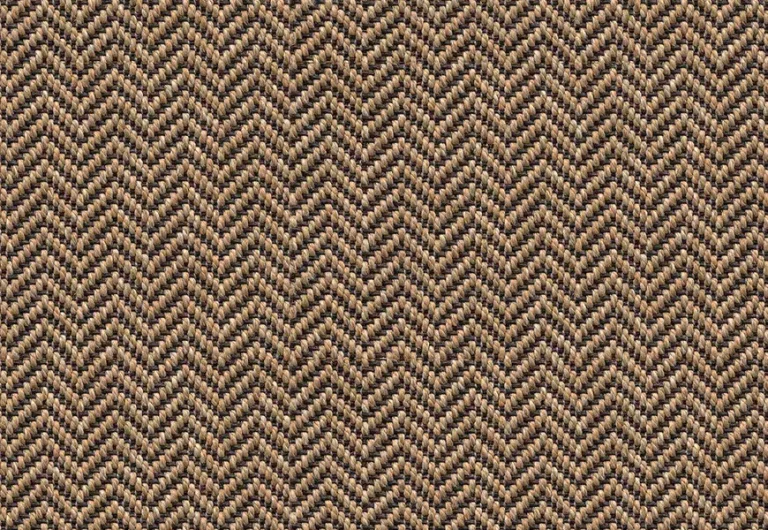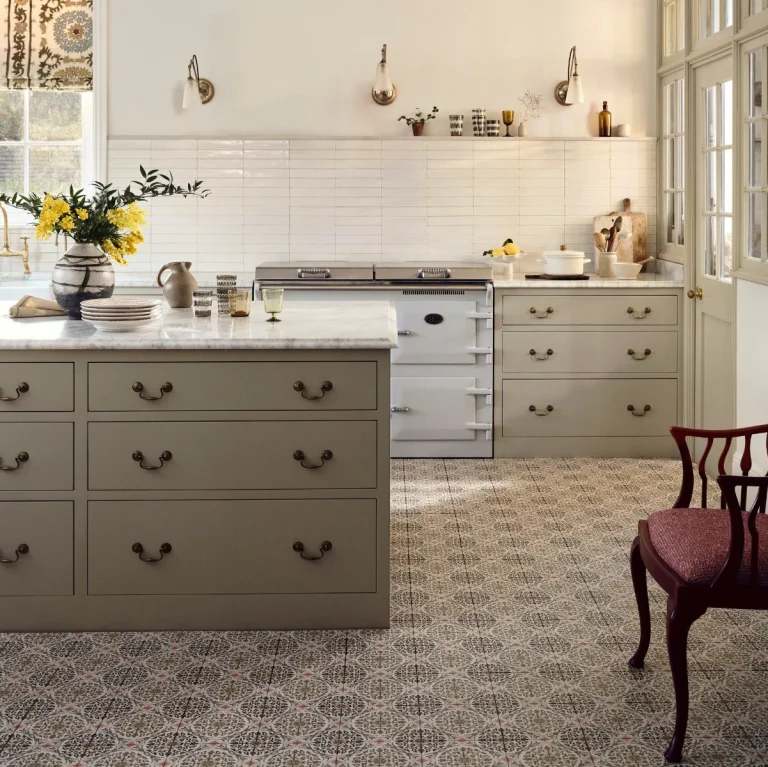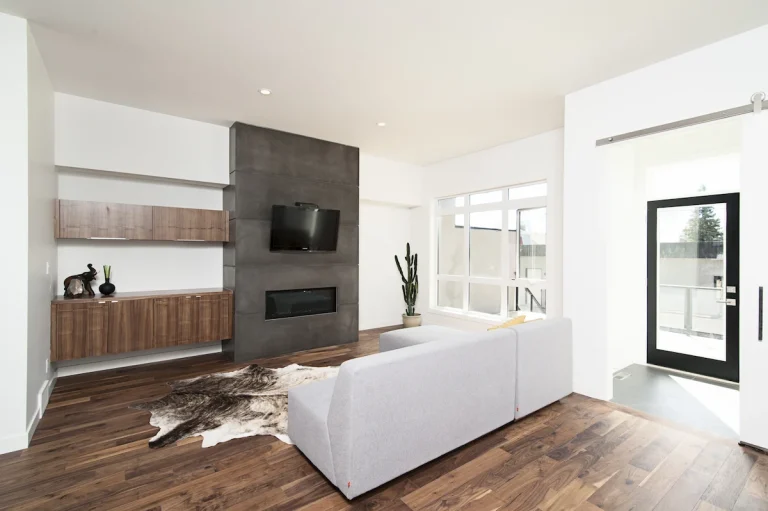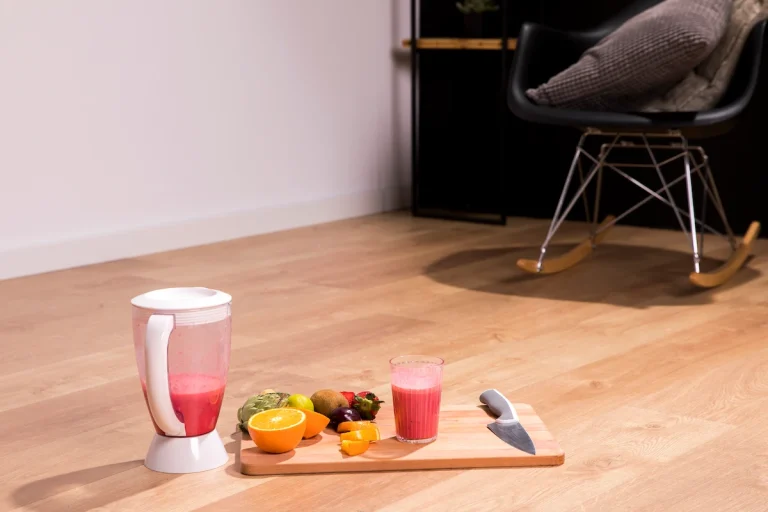



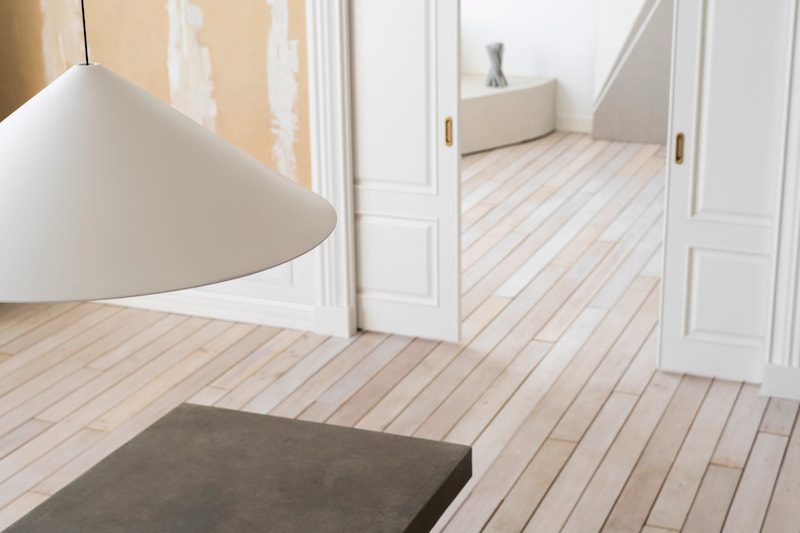
Deciding between carpets vs hardwood flooring is a common choice for homeowners across the UK. Both options bring real benefits, whether you want that soft, welcoming feel or a durable, elegant surface. The best pick depends on your daily routine, budget, room usage, and priorities like allergies or noise levels. Here’s a straightforward breakdown to help you choose wisely.
Comfort and Warmth
Carpets provide that plush, cushioned sensation underfoot, making them ideal for bedrooms or cosy living spaces. They also hold heat better, helping rooms stay warmer during chilly British winters. Hardwood gives a firmer, more refined feel and can feel cooler, but layering area rugs easily adds warmth and softness where you need it.
Durability and Longevity
Hardwood outperforms in the long run. Quality solid or engineered hardwood can last 20 to 100 years or more, with the option to sand and refinish it multiple times to refresh its appearance. Carpets typically last 10 to 15 years in busy homes before showing noticeable wear, fading, or needing full replacement. For lasting value, hardwood often proves the smarter choice.
Maintenance and Cleaning
Hardwood keeps things simple: a regular sweep or damp mop handles most dirt and spills quickly. Carpets need consistent vacuuming plus occasional professional deep cleans to manage stains, odours, and built-up grime. In high-traffic or spill-heavy areas, hardwood usually makes everyday upkeep far easier.
Cost Considerations
Carpets generally cost less to start with, often £11 to £148 per m2. Hardwood, particularly engineered wood options, starts higher at around £47 to £140 or more per m2, but its extended lifespan means you replace it far less often, often making it more economical over time.
Aesthetics and Home Value
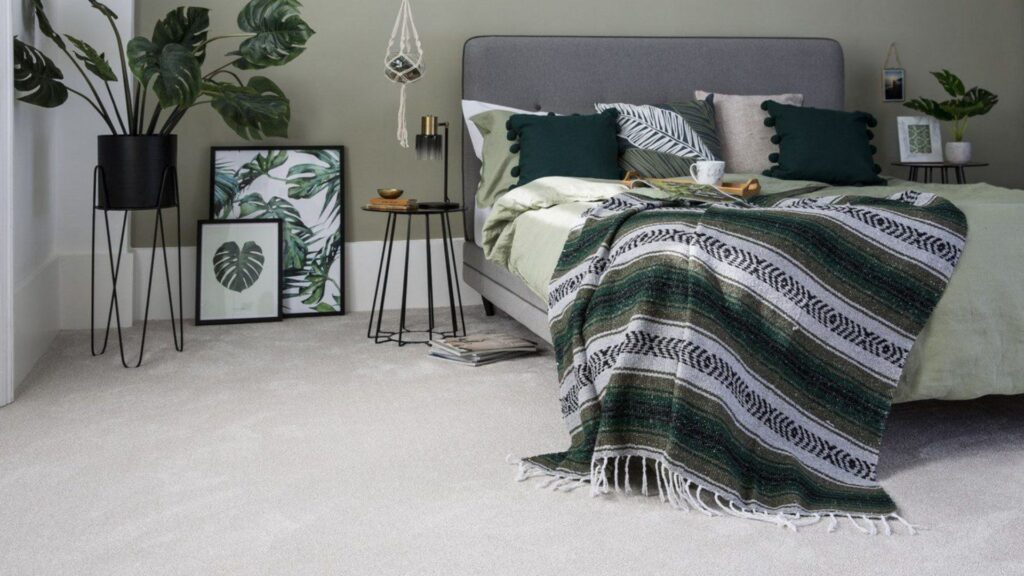
Hardwood offers timeless style with natural grain patterns and tones that suit modern, traditional, or rustic interiors. It can make rooms feel more spacious and open, and many buyers view it as a premium feature that boosts resale value. Carpets give you greater flexibility with colours, patterns, and textures for a softer, more personalised look.
Allergies and Indoor Air Quality
Hardwood is typically the better option for anyone with allergies or asthma. Its smooth surface doesn’t trap dust mites, pet dander, pollen, or other allergens the way carpet fibres can, making it easier to keep air clean with simple sweeping or mopping. Carpets can hold onto allergens over time and may require thorough, regular cleaning to reduce airborne particles. While well-maintained carpets can trap some dust rather than letting it float, hardwood generally supports healthier indoor air for sensitive households.
Noise Reduction and Sound Absorption
Carpets shine when it comes to quiet. Their dense fibres and underlay absorb sound effectively, cutting down echoes, footsteps, and noise travelling between floors or rooms. This makes them especially good for upstairs bedrooms, flats, or homes where peace is important. Hardwood reflects more sound and can feel noisier underfoot, but thick rugs or acoustic underlay can help reduce impact noise and echoes significantly.
Carpets vs Hardwood Flooring
| Aspect | Carpets | Hardwood (including Engineered) |
|---|---|---|
| Comfort | Soft, cushioned, warm underfoot | Firmer, cooler (rugs add comfort) |
| Durability | 10-15 years typical | 20-100+ years, refinishable |
| Maintenance | Frequent vacuuming + deep cleans | Simple sweep/mop |
| Long-term Value | More replacements needed | Better due to longevity |
| Allergies | Can trap dust, dander, pollen | Doesn’t trap allergens, easier clean |
| Noise Reduction | Excellent sound absorption | More reflective (rugs help) |
| Aesthetics | Wide colours/patterns, cosy look | Timeless, elegant, boosts resale |
| Best For | Bedrooms, quiet areas, budget now | High-traffic, allergy concerns, value |
Best Rooms for Carpets vs Hardwood Flooring
Bedrooms
Carpets remain a top choice for bedrooms flooring in many UK homes. The soft texture feels luxurious first thing in the morning, provides excellent warmth under bare feet, and significantly reduces noise from footsteps or movement. This is especially helpful in upstairs rooms or homes with children. Many people still prefer carpet here for that cosy, hotel-like feel, though a growing number opt for engineered hardwood with thick rugs for easier cleaning and a more modern look.
Living Rooms and Family Rooms
This is where opinions often split. Hardwood works brilliantly in living rooms thanks to its durability against daily traffic, furniture movement, and occasional spills. It also creates a clean, open feel that suits most interior styles and holds its value well. That said, carpets can make the space feel warmer and more inviting for families who spend a lot of time on the floor watching TV or playing with kids. Many homeowners now choose engineered hardwood with large area rugs to get the best of both worlds: style plus comfort.
Hallways, Stairs, and High-Traffic Areas
Hardwood (especially engineered) is usually the clear winner here. Hallways and stairs see constant foot traffic, shoes, mud, and spills, so a tough, easy-to-clean surface like hardwood handles it far better than carpet. It also avoids the quick wear and staining that carpets suffer in these zones. Engineered hardwood is particularly popular for stairs because it’s stable and less prone to expansion issues.
Kitchens and Dining Areas
Hardwood flooring is the preferred option in most kitchens and dining room. It stands up to spills, dropped food, chair scrapes, and heavy traffic without showing damage quickly. Cleaning is simple, and it gives a timeless, premium appearance. Carpets in these rooms tend to stain easily and trap crumbs, grease, and moisture, making them harder to keep fresh.
Bathrooms and Utility Rooms
Neither carpets nor hardwood is ideal for bathrooms or utility rooms due to high moisture levels. Hardwood can warp or cup if exposed to constant water, while carpets absorb spills and can develop mould. Most experts recommend waterproof vinyl, tiles, or specialist bathroom flooring in these areas instead.
Home Offices or Study Areas
Hardwood tends to suit home offices better. It creates a professional, distraction-free environment, stays cool underfoot during long hours, and is easy to keep dust-free. Carpets can work if you prefer a quieter, softer surface for concentration, especially in rooms where you spend time on the floor with paperwork or yoga.
Which Should You Choose?
A mix often works perfectly: hardwood in hallways, kitchens, and living rooms for easy care and style, with carpets in bedrooms for extra comfort and quiet. Consider your household, from pets and kids to allergies and future plans.
If you’re ready to upgrade, TEKA Flooring offers a great selection of both carpets and engineered wood flooring. As a UK-based specialist in Peterborough, they stock quality options from trusted brands, with competitive pricing, free samples, and delivery services. Check out their range at Carpets collection and Engineered wood flooring collection to find the perfect fit for your home, whether you’re after cosy carpets or durable engineered wood.
FAQ
- Is hardwood flooring better than carpet?
Hardwood often wins for durability, easy maintenance, allergy control, and resale value, while carpet excels in comfort, warmth, and noise reduction. - Which is cheaper, carpet or hardwood flooring?
Carpet is usually cheaper upfront, but hardwood tends to save money long-term thanks to its lifespan and fewer replacements. - Does hardwood flooring increase home value?
Yes, hardwood is viewed as a high-quality upgrade that appeals to buyers and can raise property value. - Which is easier to clean, carpet or hardwood?
Hardwood is simpler with basic sweeping or mopping, while carpet needs regular vacuuming and deeper cleans. - Is carpet better for bedrooms?
Many choose carpet for bedrooms due to its softness, warmth, and strong noise absorption, though hardwood with rugs gives more flexibility. - How long does carpet last compared to hardwood?
Carpet generally lasts 10 to 15 years, while quality hardwood (including engineered) can last 20 to 100 years with care. - Are hardwood floors good for allergies?
Yes, hardwood is usually better since it avoids trapping dust mites, pet dander, or pollen, supporting cleaner air. - Is carpet better for noise reduction?
Yes, carpet absorbs sound much more effectively, reducing echoes and footstep noise in homes. - Which flooring is better for asthma or allergies?
Hardwood is generally recommended as it minimises trapped allergens and improves indoor air quality. - Can you put rugs over hardwood floors?
Yes, rugs bring added comfort, warmth, noise reduction, and style without any permanent commitment.