


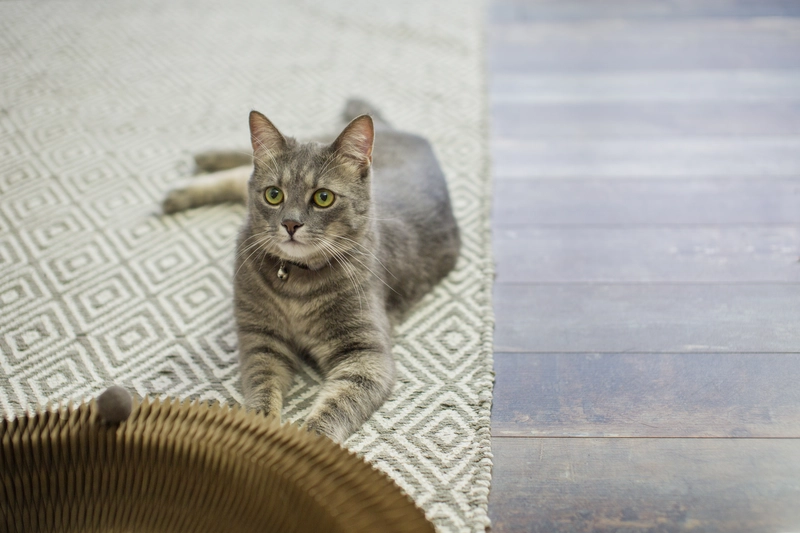
Cats scratch, it’s instinctive, not deliberate. They scratch to maintain their claws, stretch their muscles, and mark their territory. The problem isn’t the behaviour itself; it’s where they choose to do it. If your cat has decided your carpet is the preferred scratching spot, this guide gives you 10 proven methods to redirect the habit and protect your floor.
Why Do Cats Scratch Carpet?
Understanding the reason makes the solution far more effective:
- Claw maintenance — scratching removes old, dead claw sheaths and keeps claws sharp
- Scent marking — cats have scent glands in their paws; scratching deposits their scent on surfaces they consider theirs
- Stretching — the full-body pull of scratching stretches muscles in the back, shoulders, and legs
- Texture attraction — carpet loops are particularly satisfying to hook claws into; some cats are drawn to the texture specifically
- Boredom or stress — a cat that scratches more than usual is often under-stimulated or anxious
Identifying which of these applies to your cat helps you choose the right solution.
10 Ways to Stop Your Cat Scratching the Carpet
1. Provide Proper Scratching Alternatives — In the Right Spot
The single most effective long-term solution. Place a sisal scratching post or horizontal scratch pad directly beside — or even on top of — the area your cat currently targets. The location matters as much as the product. Cats are territorial about their scratching spots; a post placed across the room will be ignored.
Make sure the post is tall enough for a full vertical stretch (at least 60cm for most cats) and stable enough not to wobble when used. Wobbly posts are rejected immediately.
2. Use a Deterrent Spray
Commercial cat deterrent sprays — typically citrus-based or bitter apple formula — can be applied directly to carpet areas your cat targets. Cats have an intense aversion to citrus scents. Reapply every 2–3 days until the habit breaks, which typically takes 2–4 weeks of consistent use.
Alternatively, place orange or lemon peel near the area. It won’t last as long as a spray, but it’s an easy first test.
3. Apply Double-Sided Tape to the Target Area
Cats dislike the sticky sensation on their paw pads. Products like Sticky Paws (double-sided tape designed specifically for this purpose) can be applied to problem carpet areas. The unpleasant texture discourages scratching without causing any harm.
Replace the tape every few days as it loses stickiness. This works especially well for small, localised problem patches — the corner of a rug, the base of the stairs, a favourite spot in front of the sofa.
4. Place a Physical Barrier Over the Spot
Clear carpet runner (spiked side down against the carpet), a plastic chair mat, or even a piece of aluminium foil laid over the scratching area creates a physical barrier. It’s not attractive, but it’s effective — especially when used temporarily while you’re establishing a scratching post habit nearby.
Aluminium foil creates an unpleasant sound and sensation that most cats avoid on first contact.
5. Keep Claws Regularly Trimmed
Regular nail trimming doesn’t stop scratching behaviour, but it dramatically reduces the damage done. Trim every 2–3 weeks using proper cat nail scissors. Only remove the clear tip — avoid the pink quick, which will bleed if cut. If your cat resists, wrap them in a towel for the first few sessions, or ask your vet or a groomer to trim them until your cat becomes accustomed to it.
6. Try Soft Nail Caps (Claw Covers)
Soft Paws or similar claw cap products are small, soft rubber or vinyl covers that glue over each individual claw. They’re harmless to cats — the cat can still retract and extend their claws normally — but completely prevent scratch damage to surfaces. Each set lasts approximately 4–6 weeks before naturally falling off as claws grow.
Available online or from most veterinary practices. Some cats accept them easily; others need a few applications before tolerating them. Worth trying if other methods haven’t worked.
7. Increase Environmental Enrichment
A bored or under-stimulated cat is far more likely to scratch destructively. Increase daily interactive play sessions — wand toys and feather toys work better than toys the cat plays with alone. Add vertical space in the form of a cat tree or wall-mounted shelves. Consider a puzzle feeder to replace part of their regular feeding routine.
A cat that is mentally and physically engaged has significantly less motivation to redirect energy into inappropriate scratching.
8. Use a Pheromone Diffuser
Feliway Classic and similar feline pheromone diffusers mimic the natural “happy” facial pheromones cats deposit when they rub their cheeks on objects they feel secure around. Used in the room where scratching is most frequent, these can reduce stress-related scratching noticeably within 2–4 weeks.
These are particularly useful if scratching increased after a change in the household — a new pet, a baby, building work, or a house move.
9. Reward the Right Behaviour Consistently
Whenever your cat uses the scratching post or pad, reward them immediately — a treat, vocal praise, or brief play. Cats respond well to positive reinforcement when it’s immediate and consistent. Never punish scratching on the carpet; this creates anxiety, which tends to increase the behaviour rather than reduce it.
10. Consider Upgrading to Cat-Resistant Flooring
If scratching has already caused significant carpet damage — pulled loops, bald patches, frayed edges — or if your cat simply won’t stop despite all other interventions, it may be time to consider replacing carpet with a surface that cats physically cannot damage in the same way.
LVT (Luxury Vinyl Tile) is our top recommendation for cat owners:
- The hard, smooth surface gives claws nothing to hook into
- It’s completely waterproof — no more anxiety about accidents soaking in
- It’s easy to clean, including pet hair, muddy paw prints, and hairballs
- It’s warm and comfortable underfoot (especially with acoustic underlay)
- It looks far better than damaged carpet
How to Repair Carpet Already Damaged by Scratching
Minor fraying: Apply a small amount of carpet seam sealer or clear latex fabric adhesive to bond loose fibres back down. Press flat and allow to dry completely before walking on.
Pulled loops and lifted pile: Use carpet repair adhesive to re-bond pulled loops. For raised or snagged areas, carefully trim proud fibres with sharp scissors — never pull them.
Bald patches: A carpet repair patch kit using off-cuts from a hidden area (inside a wardrobe, under furniture that won’t move) can restore appearance for moderate damage. Cut a patch slightly larger than the damaged area with a carpet knife, matching pile direction carefully.
Extensive damage: If the damage is widespread, patching becomes increasingly obvious. Replacement — either of the carpet, or with a new flooring type — is often the more cost-effective and better-looking solution.
Best Flooring Options for Homes with Cats
If you’re considering a flooring change, here’s how the main options compare for cat owners:
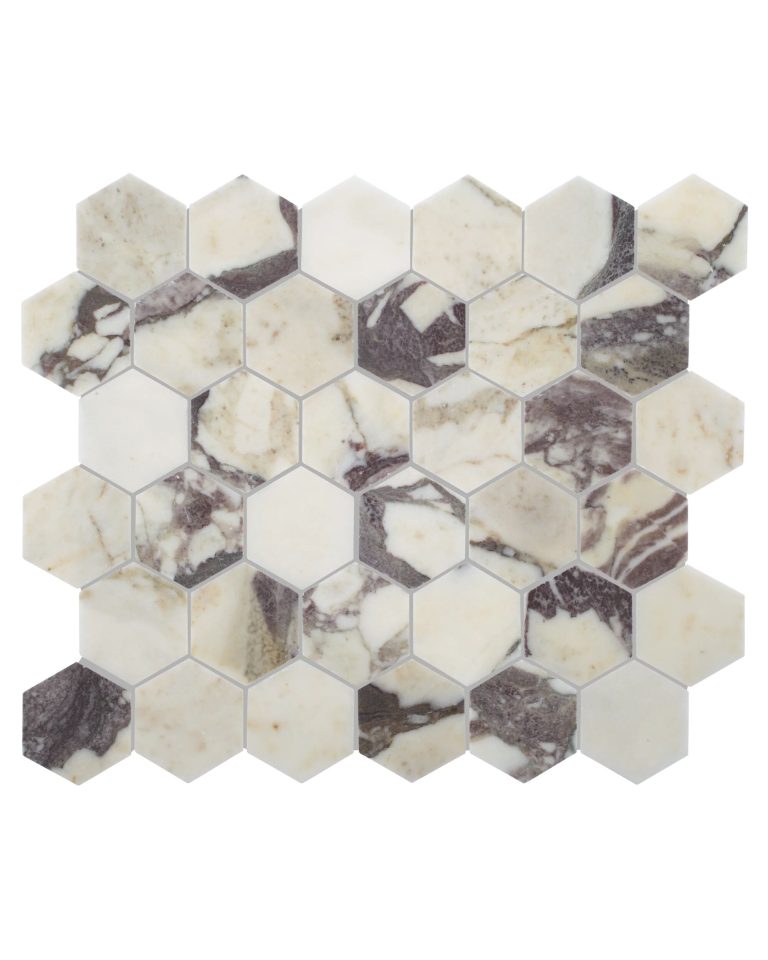
LVT (Luxury Vinyl Tile) — Best overall for cat owners. Hard surface prevents claw-hooking, 100% waterproof, extremely easy to clean, and available in realistic wood and stone looks. Browse LVT →
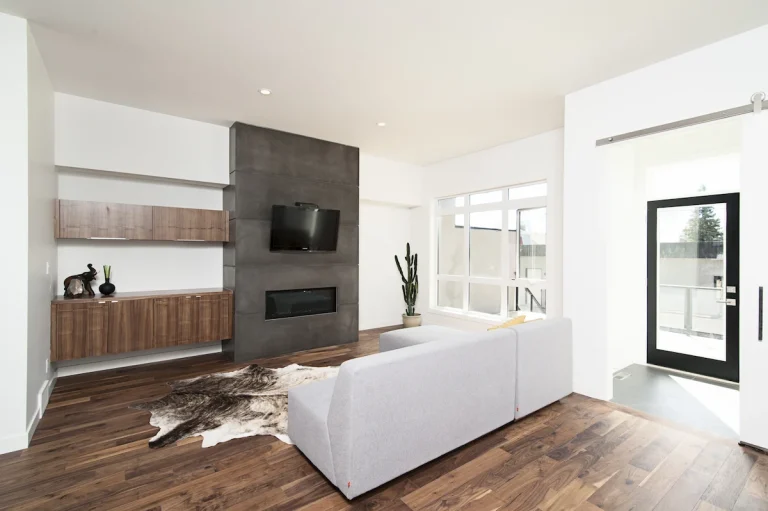
Engineered Wood — Real wood surface is harder than carpet; cats may still attempt to scratch but cause far less damage, and light scratches can be buffed or re-oiled. Not waterproof. Browse Engineered Wood →
Laminate — Very scratch-resistant surface layer (AC4/AC5 rated) stands up well to cat traffic. Not suitable for wet accidents soaking through joints. Browse Laminate →
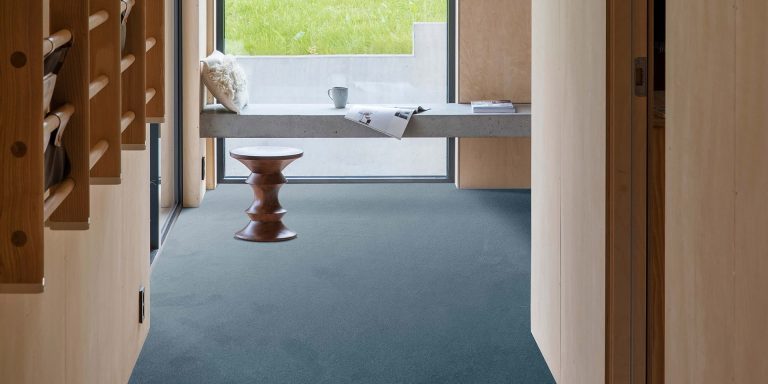
Carpet — The most vulnerable to scratching damage. If you prefer carpet, choose a dense, short-pile type — cats find loop-pile (Berber) and long-pile carpets far more satisfying to scratch than cut-pile options.
Frequently Asked Questions
Will my cat stop if I just get a scratching post?
Most cats will redirect to a post if it’s positioned in the right spot (where they currently scratch) and is the right material and height. Expect 1–4 weeks of consistent reinforcement before the habit fully switches.
Are deterrent sprays safe for cats and carpets?
Yes — commercial cat deterrent sprays are non-toxic to cats and safe for carpet fibres. Always do a small patch test on carpet before applying broadly, as some sprays can temporarily affect colour on very light or delicate fabrics.
My cat only scratches one corner of the carpet — what’s the quickest fix?
Place a scratch pad or post directly on that corner immediately. Simultaneously, apply double-sided tape to the carpet around it. The combination of a better option and an unpleasant existing surface usually redirects cats within a week or two.
Can an older cat learn to stop scratching the carpet?
Yes, though established habits take more patience to change. The same methods apply — the timeline is simply longer. Most cats of any age will shift habits with consistent positive reinforcement over 3–6 weeks.
Should I declaw my cat to solve this problem?
No. Declawing (onychectomy) is illegal in the UK and considered inhumane by all major veterinary organisations. It causes lasting pain and behavioural issues. All of the methods above are effective, humane alternatives.
Need flooring advice for a home with pets? The team at TEKA Flooring can help you choose the right surface. Book a free consultation or visit us in store.
Read Also: