


When considering carpet tiles for a particular space, it is essential to understand the role of underlay. Underlay enhances comfort and serves a crucial function in insulation, noise reduction, and prolonging the lifespan of carpet tiles. If underlay needed for carpet tiles?
This article aims to explore the concept of underlay, its significance, and the various types available in the market. Additionally, it offers practical tips for installation and maintenance, ensuring that your carpet tiles maintain their appearance and comfort for years to come.
What Is an Underlay for Carpet Tiles?
An underlay for carpet tiles is an essential component that serves as a supportive layer between the carpet tiles and the subfloor, thereby enhancing the overall flooring experience. It contributes significantly to underfoot comfort and plays a vital role in reducing impact noise, providing insulation, and protecting against moisture.
There are various types of underlay materials available, including foam underlay, rubber underlay, and cork underlay, with options like foam underlayment, rubber underlayment, and cork underlayment, each designed to meet specific needs and preferences. By opting for a high-quality underlay, homeowners and businesses can achieve a more durable and comfortable flooring solution while benefiting from the aesthetic appeal of carpet tiles.
The Importance of Underlay for Carpet Tiles
Underlay for carpet tiles is often overlooked, yet it plays a fundamental role in the overall performance of your flooring. Acting as a supportive layer between the subfloor and carpet tiles, it enhances comfort, durability, and insulation. Without proper underlay, even high-quality carpet tiles may fail to perform at their best.
Key reasons why underlay is essential include:
- Enhanced comfort underfoot – Provides cushioning, making floors feel softer and more comfortable.
- Extended carpet lifespan – Reduces wear and tear by absorbing impact from foot traffic.
- Improved thermal insulation – Helps retain heat, contributing to energy efficiency.
- Noise reduction – Minimises sound transmission, ideal for offices and multi-storey buildings.
- Better floor stability – Creates a smoother, more even surface for installation.
The Different Types of Underlay for Carpet Tiles
When choosing underlay for carpet tiles, understanding the available types is essential. Each material offers different benefits in terms of comfort, durability, insulation, and noise reduction. Selecting the right option depends on your specific flooring needs and environment. The main types of underlay include:
1. Foam Underlay
Foam underlay is one of the most popular choices due to its lightweight structure and ease of installation. It delivers a good balance of comfort, affordability, and performance, making it suitable for both residential and commercial settings.
Key advantages include:
- Comfort and cushioning – Provides a softer feel underfoot and reduces fatigue
- Noise reduction – Absorbs impact sound, ideal for busy environments
- Easy installation – Typically supplied in rolls for quick fitting
- Cost-effective – Budget-friendly without sacrificing performance
This type of underlay works well where comfort and practicality are priorities.
2. Rubber Underlay
Rubber underlay is designed for durability and high performance, particularly in high-traffic areas. It provides strong support and long-term resilience, making it a preferred choice for commercial spaces.
Main benefits include:
- Exceptional durability – Extends the lifespan of carpet tiles
- Impact noise reduction – Creates a quieter indoor environment
- Moisture protection – Helps prevent damage from damp conditions
- Strong support – Maintains structural integrity over time
Rubber underlay is ideal where longevity and performance are essential.
3. Felt Underlay
Felt underlay is a traditional option known for its comfort and sound absorption qualities. It is particularly suitable for residential settings where a quieter and more comfortable atmosphere is desired.
Key features include:
- Excellent sound insulation – Reduces noise transmission effectively
- Long-lasting structure – Maintains shape better than some alternatives
- Eco-friendly composition – Often made from recycled materials
- Comfort insulation – Enhances overall underfoot experience
Felt underlay is a strong choice for comfort-focused applications.
4. Cork Underlay
Cork underlay is an eco-friendly solution that offers excellent thermal insulation and sustainability benefits. It is becoming increasingly popular in energy-efficient flooring systems.
Benefits include:
- Thermal insulation – Helps regulate indoor temperature
- Sustainable material – Made from renewable cork resources
- Sound absorption – Supports quieter indoor environments
- Moisture resistance – Reduces risk of mould and mildew
Cork underlay is ideal for environmentally conscious projects.
5. Combination Underlay
Combination underlay integrates multiple materials to deliver a balanced performance across several areas. It is a versatile option suitable for both residential and commercial use.
Key advantages include:
- Multi-functional performance – Combines comfort, durability, and insulation
- Sound absorption – Minimises noise in busy environments
- Moisture protection – Extends the lifespan of carpet tiles
- Enhanced comfort – Provides cushioning for high-traffic areas
This type of underlay is ideal when you need an all-in-one solution.
The Best Type of Underlay for Carpet Tiles
Choosing the best underlay for carpet tiles depends on your specific requirements, including foot traffic, subfloor condition, and desired comfort level. Each material offers unique strengths, so there is no single “one-size-fits-all” solution.
To make the right choice, consider:
- Comfort and cushioning needs
- Noise reduction requirements
- Thermal insulation performance
- Durability for high-traffic areas
- Compatibility with your carpet tile system
By evaluating these factors, you can select an underlay that enhances both performance and longevity while delivering the best overall flooring experience.
Factors Should be Considered When Choosing an Underlay for Carpet Tiles
Selecting the right underlay involves more than just picking the thickest option available. The ideal choice depends on the environment, subfloor condition, and intended use of the space. Understanding these factors will help ensure optimal performance and long-term value.
When choosing an underlay, consider the following:
- Foot traffic levels – High-traffic areas require denser, more durable underlay.
- Subfloor type – Concrete, wood, or uneven surfaces may need specific underlay solutions.
- Thickness and density – Balance comfort with stability to avoid movement or uneven tiles.
- Acoustic performance – Important for reducing noise in commercial or shared spaces.
- Thermal properties – Helps improve insulation and energy efficiency.
- Compatibility – Ensure it works with your carpet tile system and installation method.
How to Install an Underlay for Carpet Tiles
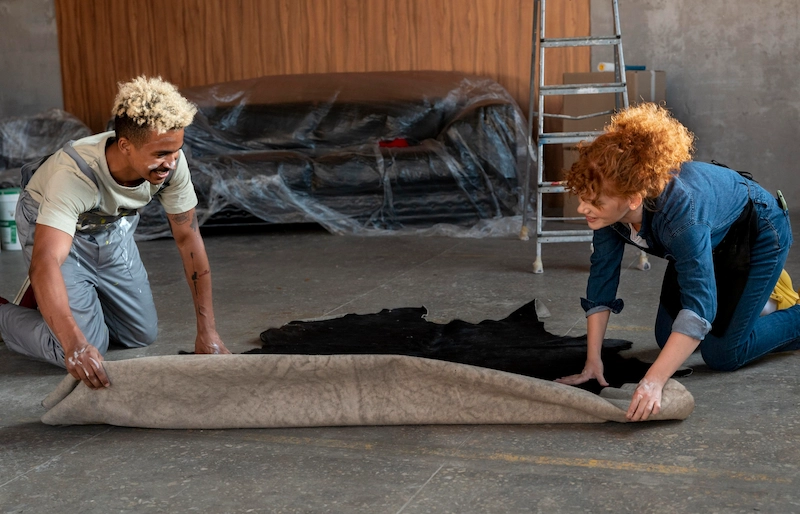
Installing underlay for carpet tiles is a straightforward process when done correctly. Proper preparation and methodical installation are key to achieving a smooth, durable finish that supports long-term performance.
Follow these steps for effective installation:
- Prepare the subfloor – Ensure it is clean, dry, and level before installation begins.
- Measure and cut the underlay – Fit it precisely to avoid gaps or overlaps.
- Position the underlay evenly – Lay it flat across the surface for consistent support.
- Secure the underlay if required – Use adhesive or fixing methods depending on the type.
- Install carpet tiles on top – Apply adhesive where necessary, especially in high-traffic areas.
- Check alignment and finish – Ensure the surface is smooth and properly fitted.
The Benefits of Using an Underlay for Carpet Tiles
Using underlay is not just an optional addition—it significantly enhances the overall functionality and user experience of carpet tiles. From comfort to durability, the advantages are both immediate and long-term.
The main benefits include:
- Greater comfort – Adds cushioning for a more pleasant walking surface.
- Improved durability – Protects carpet tiles from excessive wear.
- Sound insulation – Reduces impact noise and improves acoustics.
- Thermal efficiency – Helps maintain indoor temperature.
- Professional finish – Ensures a smoother and more stable installation.
What are Some Tips for Maintaining an Underlay for Carpet Tiles?
Maintaining an underlay for carpet tiles is crucial for ensuring its longevity and optimal performance. Proper care entails regular cleaning and inspection for any signs of damage or wear that could impact the effectiveness of the underlay. It is also advisable to consider products like the Heuga Interlay or Interface Interlay for durable performance under various conditions.
At TEKA Flooring, we understand the importance of a solid foundation for your flooring. That’s why we offer a wide range of high-quality underlay options designed to meet your specific needs. Whether you’re installing carpet tiles in a residential, commercial, or office setting, our team is here to help you choose the perfect underlay for optimal performance.
Plus, with our professional fitting services, you can rest assured that your carpet tiles and underlay will be installed with precision and care, delivering flawless results every time.
Don’t leave your flooring to chance—partner with TEKA Flooring for expert guidance, premium products, and exceptional service. Contact us today to explore our underlay options and book a consultation. Let us help you create a space that’s as comfortable as it is beautiful!
Read also: