

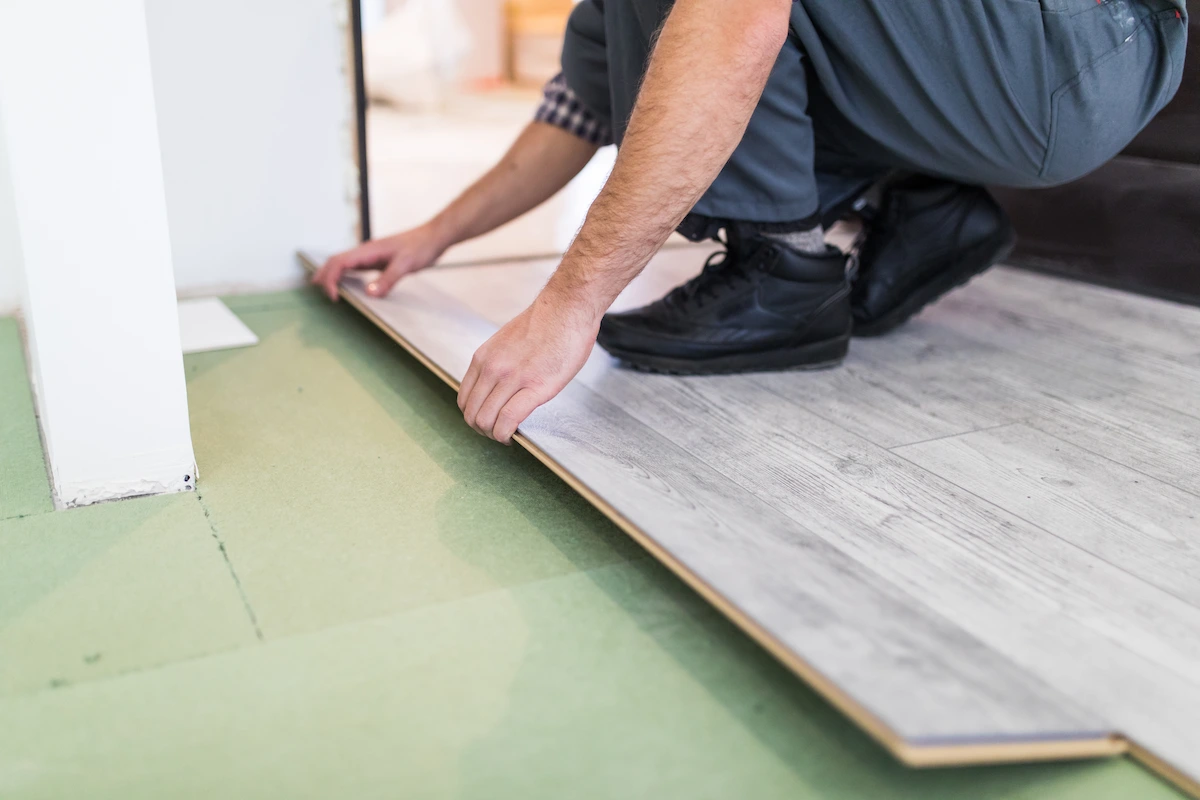
Removing worn or outdated flooring is often the first step in transforming a room, and knowing how to remove old vinyl flooring properly can make all the difference. Whether you’re planning to install new luxury vinyl tiles, laminate, or hardwood, starting with a clean, smooth subfloor is essential. This guide walks you through the process in a clear, manageable way, helping you avoid common pitfalls and achieve professional-looking results.
Tools and Preparation You’ll Need
Before diving into the process, it’s important to gather the right tools and prepare your workspace. Proper preparation ensures the job runs smoothly, reduces the risk of injury, and helps you complete the task more efficiently.
A. Essential Tools
To remove vinyl flooring effectively, you’ll need a combination of cutting, lifting, and cleaning tools. A utility knife allows you to cut the flooring into manageable sections, while a floor scraper or putty knife helps lift stubborn areas. Investing in reliable tools not only speeds up the process but also reduces strain, especially for larger rooms.
B. Preparing the Room
Clearing the space is more than just moving furniture—it’s about creating a safe and workable environment. Remove all items, including skirting trims if necessary, to give yourself full access to the flooring edges. Good ventilation is also crucial, particularly if you’re using chemical adhesive removers, as it helps maintain air quality and keeps the workspace comfortable.
C. Safety Considerations
Safety should never be overlooked when learning how to remove old vinyl flooring. Older flooring materials may contain hazardous substances such as asbestos, so it’s important to assess the age of your flooring before starting. Wearing gloves, goggles, and a dust mask will protect you from sharp edges, dust, and chemical exposure throughout the process.
Read also: Guide on How to Lay Vinyl Click Flooring with Precision
Step-by-Step Guide to Removing Vinyl Flooring
Once your tools are ready, you can begin the removal process. Following a structured approach helps prevent unnecessary damage to the subfloor and keeps the task manageable.
A. Cut the Flooring into Strips
Start by cutting the vinyl into narrow strips using a sharp utility knife. This step makes it significantly easier to handle and remove the material, especially if it is firmly adhered. Smaller sections also allow you to apply more controlled force, reducing the risk of tearing or leaving large patches behind.
B. Loosen the Edges
Begin at a corner or along a wall where the flooring is most accessible. Gently slide a scraper or pry bar underneath the vinyl to lift it, taking care not to damage the surface beneath. If the adhesive is particularly strong, applying heat can soften it and make this step much easier.
C. Peel Back the Vinyl
Once the edges are lifted, slowly peel back each strip of vinyl. Work steadily rather than pulling quickly, as this helps prevent the material from snapping and leaving residue behind. In many cases, the top layer may separate from the backing, which simply means you’ll need to repeat the process for the remaining layer.
D. Remove Adhesive Residue
After removing the vinyl, you’ll likely find adhesive residue left on the subfloor. Apply an appropriate adhesive remover and allow it to sit for a few minutes before scraping gently. Taking the time to remove all residue ensures a smooth surface for your new flooring installation.
Dealing with Stubborn Vinyl and Adhesive
Not all vinyl flooring comes up easily, especially if it has been in place for many years. Tackling stubborn areas requires patience and the right techniques to avoid damaging the subfloor.
A. Using Heat Effectively
Heat is one of the most effective ways to loosen old adhesive. By applying a heat gun or even a hairdryer, you can soften the glue, making it easier to scrape away. Always work in small sections to maintain control and prevent overheating, which could damage the subfloor.
B. Scraping Techniques
Using the correct scraping technique is essential for preserving the condition of your subfloor. Hold the scraper at a low angle and apply steady pressure to lift the adhesive without gouging the surface. Taking your time with this step will result in a cleaner and more professional finish.
C. Sanding the Subfloor
If residue persists after scraping, light sanding can help remove the final traces of adhesive. Use fine-grit sandpaper and work evenly across the surface to avoid creating dips or uneven areas. Once finished, thoroughly clean the area to remove dust before proceeding.
D. When to Call a Professional
There are situations where professional help is the safest and most efficient option. If you encounter extremely stubborn adhesive, large areas of damage, or suspect hazardous materials, it’s best to consult an expert. This ensures the job is completed safely and to a high standard.
Read also: Common Problems with LVT Installation and How to Fix Them
Preparing the Subfloor for New Flooring
Once the old vinyl is removed, preparing the subfloor is the next critical step. A well-prepared base ensures your new flooring looks great and performs well over time.
A. Cleaning the Surface
After removal, thoroughly clean the subfloor to eliminate dust, dirt, and debris. Even small particles can affect the adhesion and finish of new flooring materials. A combination of vacuuming and damp mopping usually provides the best results.
B. Checking for Damage
Inspect the subfloor carefully for any signs of damage, such as cracks, holes, or loose boards. Addressing these issues early prevents future problems and creates a stable foundation. Use appropriate repair compounds or replace damaged sections as needed.
C. Levelling the Floor
An uneven subfloor can lead to poor installation results, particularly with vinyl or laminate flooring. Applying a self-levelling compound helps create a perfectly flat surface, improving both the appearance and durability of your new floor. This step is especially important in high-traffic areas.
D. Allowing Proper Drying Time
Before installing new flooring, ensure the subfloor is completely dry. Moisture can compromise adhesives and lead to long-term issues such as warping or mould growth. Allow sufficient drying time based on the products used and room conditions.
Recommended Products for the Job
Using high-quality products can significantly improve both the removal process and the final result. Investing in reliable materials often saves time and effort in the long run.
A. Adhesive Remover Solution
This product is specifically formulated to break down tough adhesive residues quickly and effectively. It’s designed to be safe on most subfloors, making it a practical choice for both DIY users and professionals.
B. Heavy-Duty Floor Scraper
A sturdy, ergonomic scraper makes a noticeable difference when tackling large areas. This tool provides better control and reduces fatigue, allowing you to work more efficiently over extended periods.
C. Self-Levelling Compound
Creating a smooth, even surface is essential before installing new flooring, and this compound delivers reliable results. It’s easy to apply and dries to a durable finish, making it ideal for a wide range of projects.
Common Mistakes to Avoid
Even a straightforward job like this can go wrong without the right approach. Being aware of common mistakes helps you achieve better results and avoid unnecessary setbacks.
A. Skipping Preparation
Rushing into the job without proper preparation often leads to complications later on. Without clearing the space and gathering tools in advance, you may face interruptions that slow progress. Taking time to prepare ensures a smoother and more efficient workflow.
B. Forcing the Flooring Up
Using excessive force when removing vinyl can damage the subfloor underneath. This not only creates additional repair work but can also increase costs. Always focus on loosening the adhesive first to make removal easier and safer.
C. Ignoring Residue
Leaving adhesive residue behind can compromise the installation of new flooring. It may cause uneven surfaces or prevent proper bonding, leading to long-term issues. Thorough cleaning is essential for a professional-quality finish.
D. Not Checking for Hazards
Overlooking potential hazards such as asbestos or mould can pose serious health risks. Always assess the condition and age of the flooring before starting work. If in doubt, seek professional advice to ensure safety.
Final Thoughts and Expert Help
Learning how to remove old vinyl flooring is a valuable skill for any home improvement project. With careful preparation, the right tools, and a methodical approach, you can achieve excellent results and create the perfect base for new flooring.
If you’re ready to upgrade your space, TEKA Flooring Peterborough offers a wide range of high-quality LVT options to suit every style and budget. Visit our showroom to see products up close or reach out via WhatsApp for a convenient consultation. With expert advice and professional fitting services available, TEKA Flooring is here to help you complete your project with confidence and ease.
Read also: Best Flooring Options for a Productive Home Office