


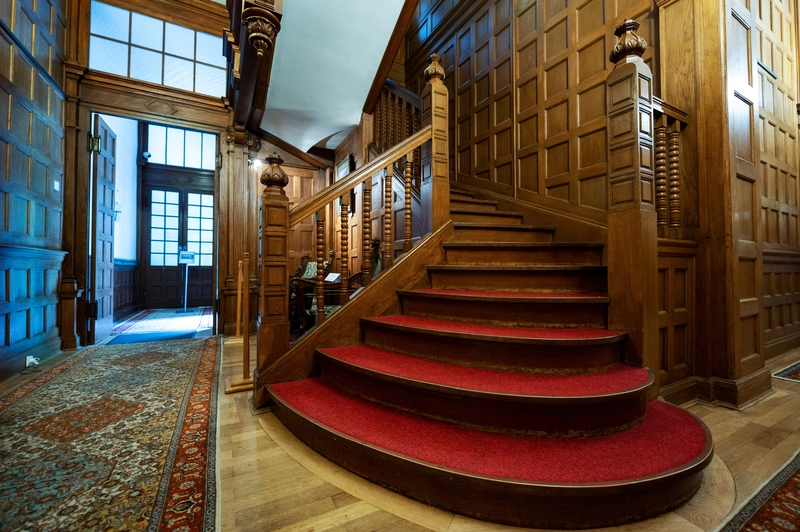
Your stairs and landing see more foot traffic than almost any other area of your home, which makes carpet colour choice critical. The wrong shade shows every mark within weeks; the right one stays looking fresh for years while tying your hallway together beautifully.
Here’s how to choose the perfect carpet colour for your stairs and landing — including which shades hide dirt best, which ones brighten dark hallways, and what to avoid.
What to Consider Before Choosing a Colour
- Natural light — stairs and landings are often the darkest areas in a home. Light colours brighten the space; dark colours can make it feel smaller and more enclosed
- Traffic level — stairs get heavy, concentrated footfall. Mid-tones and colours that hide dirt perform far better than very light or very dark shades
- Adjacent rooms — your stair carpet is visible from multiple rooms and floors. It needs to complement (not match) your living room carpet and hallway décor
- Pets and children — if you have either, prioritise mid-tone colours with flecks or heathered textures that disguise marks between cleans
- Resale value — neutral colours appeal to the widest range of buyers if you’re planning to sell within 5 years
Best Neutral Colours for Stairs and Landing
Neutrals are the most popular choice for stairs — and for good reason. They’re timeless, hide wear well, and work with any décor style.
Mid-Grey
The UK’s most popular stair carpet colour. Grey hides dirt exceptionally well (most household dust is grey), works with both modern and traditional interiors, and doesn’t show traffic paths. Choose a warm grey (with brown undertones) rather than a cold blue-grey for a welcoming feel.
Beige and Oatmeal
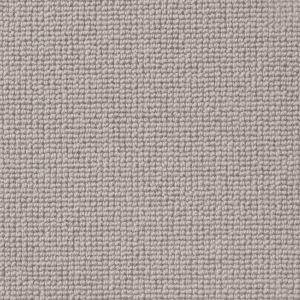
See product: Cormar Carpet Avebury Bentley Beige
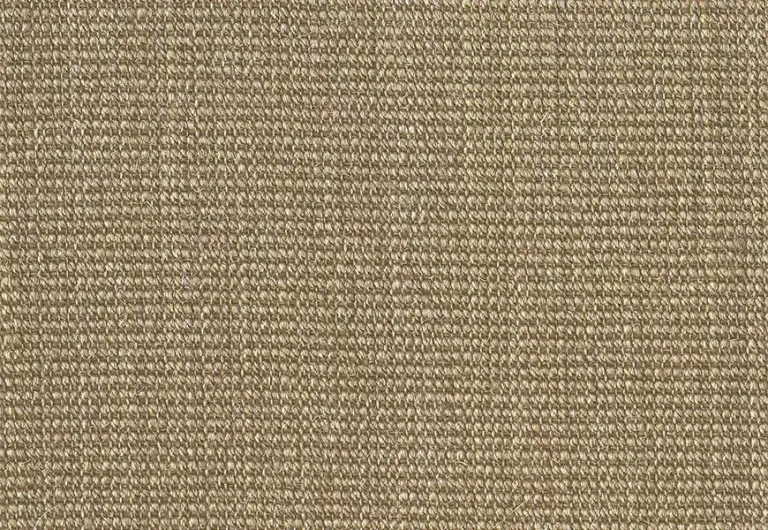
Classic and warm, beige creates a bright, welcoming staircase. It’s slightly less forgiving than grey for showing dirt, but heathered or flecked beige (rather than solid) performs well. Pairs beautifully with wooden balustrades and beige living room schemes.
Taupe
The perfect middle ground between grey and beige. Taupe is extremely versatile — it reads warm in cool light and neutral in warm light. One of the best all-rounders for stairs that connect rooms with different colour schemes.
Charcoal

See product: Abingdon Lasting Romance Shimmer Remnant Roll: 2.9m x 4m
Bold but practical. Charcoal hides stains brilliantly but can show lint and pet hair (especially light-coloured fur). Best in homes without pets or in properties with good natural light where the dark tone won’t feel oppressive.
Best Bold Colours for Stairs and Landing
If your hallway has good natural light and you want to make a statement:
Navy Blue
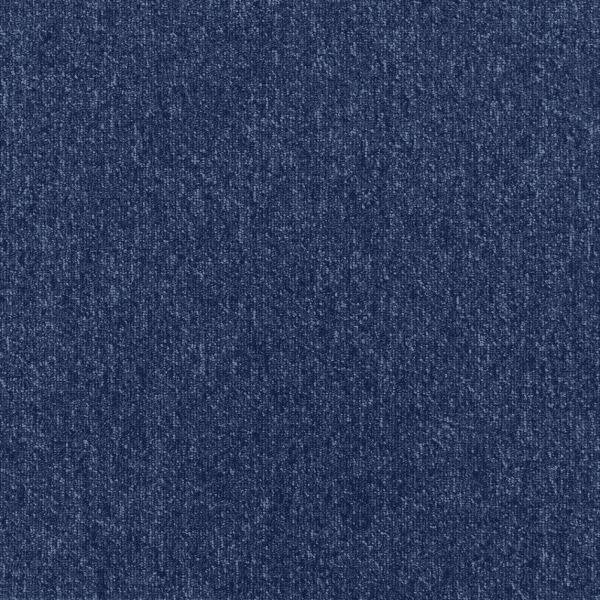
See product: Burmatex Go To Sea Blue
Rich, sophisticated, and surprisingly practical. Navy hides dirt almost as well as grey and adds a sense of depth and luxury. Works particularly well with white painted woodwork and brass stair rods.
Teal or Emerald Green

See product: Burmatex Tivoli Everglade Green
On-trend and distinctive. Deep greens work beautifully in period properties and pair well with natural wood tones. Darker shades are more practical; avoid bright or light greens which show every mark.
Burgundy or Claret
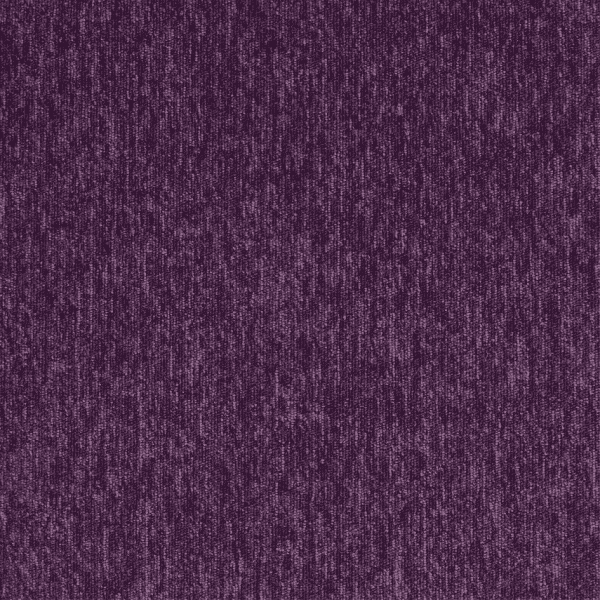
See product: Burmatex Tivoli Marie Galante Purple
Traditional and warm. A deep burgundy stair carpet creates a luxurious, welcoming feel and hides stains extremely well (red-brown is the colour of most common stains — tea, mud, food). Ideal for period homes, country houses, or creating a classic look.
Best Patterns for Stairs
- Stripes — the most popular patterned choice for stairs. Vertical stripes visually elongate the staircase and hide wear patterns. Works in both bold (wide stripes) and subtle (tonal) versions
- Heathered/Flecked — multi-tonal yarns that blend several shades together. Exceptional at hiding dirt and wear — the texture breaks up any marks visually
- Geometric — modern option that adds interest without overwhelming. Best in subtle, tone-on-tone versions for stairs
For more stair carpet inspiration, see our stair and landing carpet ideas guide.
Colours to Avoid on Stairs
- Pure white or cream — shows every footprint, scuff, and spill. Will look dirty within days
- Solid black — shows lint, dust, and pet hair dramatically. Also makes narrow staircases feel claustrophobic
- Bright/saturated colours — fade faster in sunlight and can feel overwhelming in a transitional space you see constantly
- Very light pastel tones — beautiful in bedrooms but impractical on high-traffic stairs
Practical Tips for Stair Carpet
- Choose 80/20 wool-blend or polypropylene — these fibres hold colour best and resist crushing in high-traffic areas. See our guide on carpet pile types
- Go slightly darker than you think — carpet almost always looks lighter once fitted over a large area than it does on a sample swatch
- Match the landing to the stairs — using a different colour on stairs vs landing creates a disjointed look. Keep them consistent
- Consider a runner — exposed wood edges with a carpet runner is a popular modern look that’s also practical (easier to replace the runner when worn)
- Order extra — buy 10% more than measured. You’ll need it for stair nosings, and it’s useful for repairs later
- Good underlay matters — proper stair underlay (like Duralay Stairmaster) extends carpet life significantly. See how much carpet you need for stairs
Frequently Asked Questions
What colour carpet is best for hiding dirt on stairs?
Mid-grey is the single best colour for hiding dirt on stairs, because most household dust and debris is grey-toned. Heathered or flecked textures in any mid-tone colour (grey, taupe, mid-brown) also perform excellently. Avoid extremes — both very light and very dark solid colours show dirt clearly, just in different ways.
Should stairs and landing carpet be the same colour as the living room?
They don’t need to match exactly, but they should complement each other. A common approach is to use a slightly darker or more practical shade on the stairs (which takes more abuse) that sits within the same colour family as the living room carpet. For example: light grey living room with mid-grey stairs, or cream lounge with oatmeal stairs.
Is patterned or plain carpet better for stairs?
Patterned carpet — particularly stripes and heathered textures — is generally more practical for stairs. Patterns disguise wear, dirt, and colour fading far better than solid plains. However, large busy patterns can look overwhelming on a narrow staircase. Subtle tone-on-tone patterns offer the best of both worlds.
How often should you replace stair carpet?
Good quality stair carpet (80/20 wool-blend with proper underlay) typically lasts 7–10 years before showing significant wear. Budget polypropylene may need replacing after 3–5 years on busy stairs. Signs it’s time: visible traffic paths, flattening pile that doesn’t recover, or fraying at nosings. Choosing the right carpet thickness for stairs helps extend lifespan.
What colour carpet makes a hallway look bigger?
Light to mid-tones make narrow hallways and staircases feel more spacious — particularly light grey, beige, and soft taupe. Vertical stripes can also create the illusion of length. For more tips on brightening dark spaces, see our guide on how to brighten a dark room.
Ready to find your perfect stair carpet? Browse our best carpets for stairs guide or book a free consultation with our carpet specialists for personalised colour advice.