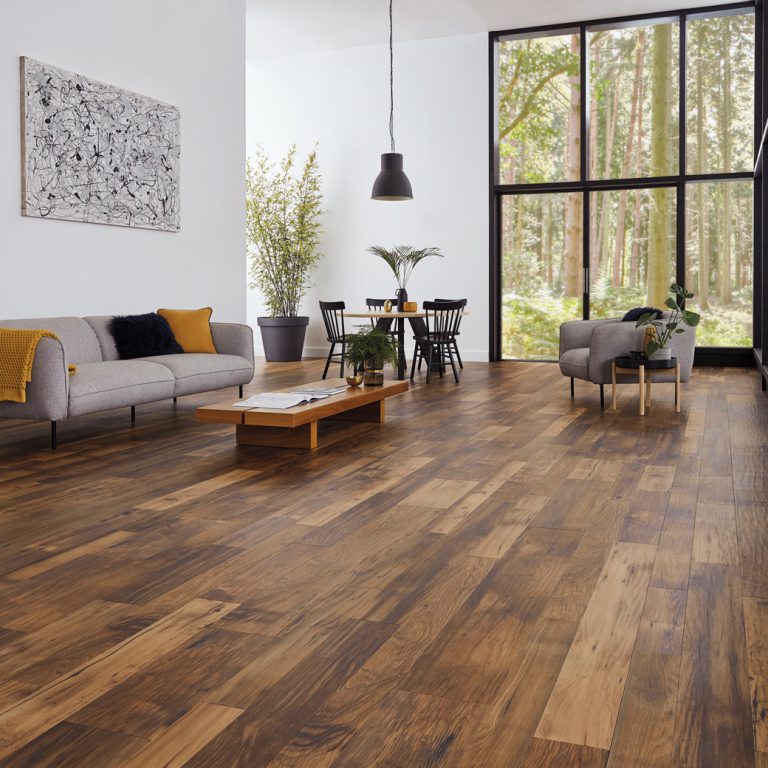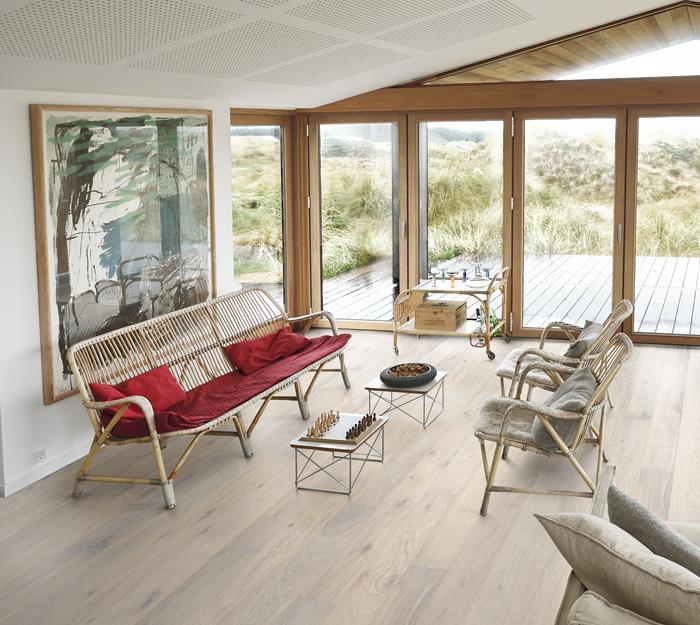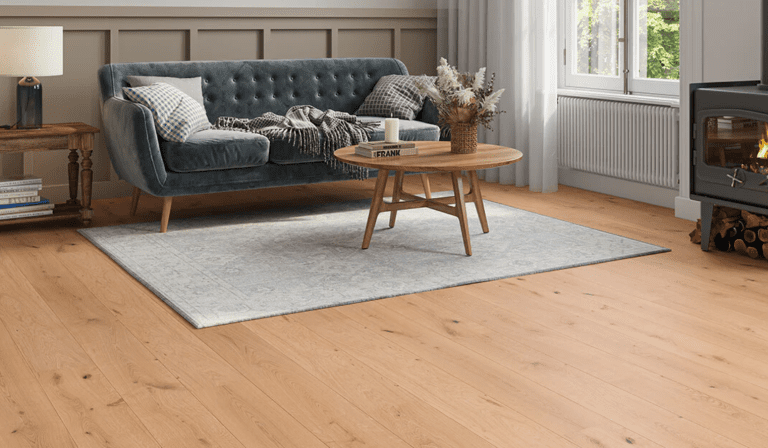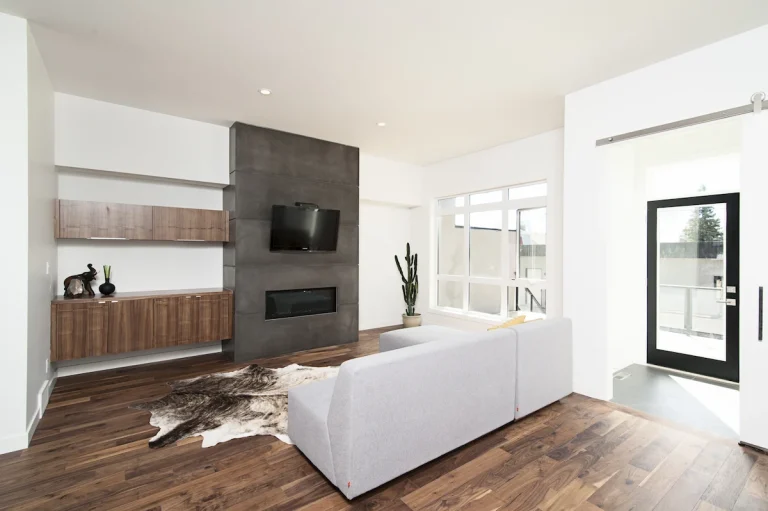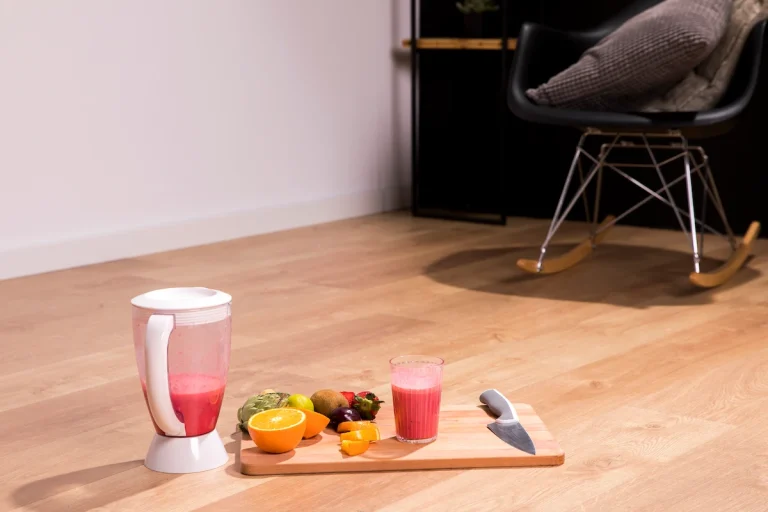



If you or your family suffer from allergies or asthma, the flooring in your home can have a significant impact on indoor air quality and symptom severity. Carpets, once a popular choice, often act as reservoirs for dust mites, pet dander, pollen, and mould spores. In contrast, the best flooring for allergies tends to be hard-surface, non-porous materials that are easy to clean and do not harbour allergens.
Choosing the right allergy-friendly flooring can reduce airborne irritants, simplify maintenance, and contribute to a healthier living environment. In this comprehensive guide, we explore the top hypoallergenic flooring options, their benefits, potential drawbacks, and practical considerations to help you make an informed decision.
Why Flooring Matters for Allergy Sufferers
Indoor allergens such as dust mites, pet dander, pollen, and mould thrive in environments where they can settle and multiply. Soft surfaces like wall-to-wall carpet trap these particles deep within their fibres, making complete removal difficult even with regular vacuuming. When disturbed, allergens become airborne and can worsen respiratory symptoms.
Hard-surface flooring keeps allergens on the surface, where they can be easily removed through sweeping, vacuuming with a HEPA filter, or damp mopping. This difference can lead to noticeably improved air quality and fewer allergy flare-ups. Experts often recommend hard floors over carpet for households with allergy concerns, as long as the material has low volatile organic compound (VOC) emissions and is properly installed.
Beyond allergen control, the ideal allergy-friendly flooring should resist moisture to prevent mould, offer durability, and minimise chemical off-gassing.
The Best Flooring for Allergies
Here are the leading options for hypoallergenic flooring, ranked by their overall suitability for allergy sufferers:
1. Hardwood Flooring
Hardwood flooring remains one of the best flooring choices for allergies. Its smooth, sealed surface does not provide hiding places for dust mites or mould, and it can be thoroughly cleaned with ease.
Advantages:
- Naturally hypoallergenic and supportive of better indoor air quality.
- Highly durable and can be sanded and refinished multiple times.
- Timeless aesthetic appeal with a wide range of wood species and finishes.
- Low VOC when finished with water-based or low-emission sealants.
Considerations:
- Higher initial investment.
- Requires proper sealing to protect against moisture.
2. Engineered Hardwood Flooring
Engineered hardwood delivers many of the same benefits as solid wood but with improved stability in varying humidity levels.
Advantages:
- Multi-layer construction offers better dimensional stability.
- Often installed as a floating floor with minimal adhesives.
- Excellent allergen resistance when paired with low-VOC finishes.
Considerations:
- Cannot be refinished as many times as solid hardwood.
- Quality varies significantly between brands.
At TEKA Flooring, popular engineered wood collections include options from Kährs, such as the sophisticated Kährs Oak Sirocco with its warm, smoky tones and refined brushed texture. These products combine elegance with the practical performance needed for allergy-friendly homes.
3. Luxury Vinyl Tile (LVT)
Modern Luxury Vinyl Tile has become a highly practical and effective solution for allergy-friendly flooring. High-quality LVT features a dense, non-porous wear layer that prevents allergens from embedding.
Advantages:
- Fully waterproof and highly resistant to mould and mildew.
- Extremely easy to clean, making it ideal for homes with pets or children.
- Offers realistic wood and stone effects at a more accessible price.
- Comfortable underfoot and quieter than harder materials.
Considerations:
- Choose products with low or zero VOC certifications (such as FloorScore or GREENGUARD Gold).
- Focus on reputable brands to ensure quality and safety.
TEKA Flooring offers an extensive selection of LVT Flooring, including the popular Karndean Van Gogh range with its detailed wood grain texturing and enhanced colour options, such as the Warm Brushed Oak. These collections provide excellent durability and hypoallergenic performance.
4. Laminate Flooring
Laminate provides the appearance of hardwood with a tough, protective wear layer.
Advantages:
- Affordable and highly resistant to scratches and stains.
- Smooth surface that does not trap dust or dander.
- Simple click-lock installation, often without glue.
Considerations:
- Not inherently waterproof (though water-resistant versions are available).
- Select low-VOC laminate with well-sealed edges.
5. Ceramic and Porcelain Tile
Porcelain and ceramic tile are among the most hypoallergenic flooring materials due to their non-porous nature and excellent moisture resistance.
Advantages:
- Do not support mould or dust mite growth.
- Extremely easy to sanitise and maintain.
- Wide variety of designs, including realistic wood and stone effects.
- Ideal for kitchens, bathrooms, and high-traffic areas.
Considerations:
- Hard and cold underfoot (area rugs can be used strategically).
- Grout lines should be sealed and cleaned regularly.
6. Natural Options: Cork and Bamboo
Cork and bamboo offer sustainable alternatives with strong allergy-friendly properties. Cork is naturally antimicrobial and provides good sound insulation, while bamboo delivers a hard, durable surface with a contemporary look. Both perform well when finished with low-VOC sealants.
Flooring to Avoid for Allergy Sufferers
Wall-to-wall carpet is generally the least suitable option for allergy sufferers. It can harbour significantly more allergens than hard surfaces and is difficult to clean thoroughly. Where possible, hard flooring options deliver superior results for long-term allergy management.
Key Factors to Consider When Choosing Allergy-Friendly Flooring
- VOC Emissions: Always prioritise low-VOC or zero-VOC certified products.
- Installation Method: Floating or mechanical systems reduce the need for adhesives.
- Maintenance: Regular cleaning with a HEPA vacuum and microfibre mop is essential.
- Room-Specific Needs: Waterproof materials like LVT and tile suit wet areas, while engineered hardwood works well in living spaces.
- Budget and Longevity: Balance upfront cost with durability and maintenance requirements.
Combining new flooring with HEPA air purifiers, humidity control ideally below 50 percent, and regular cleaning will deliver the best results.
Why Choose TEKA Flooring for Your Allergy-Friendly Project
When selecting the best flooring for allergies, working with a trusted supplier makes a real difference. TEKA Flooring in Peterborough offers a wide range of hypoallergenic options, including premium engineered hardwood from leading brands like Kährs and high-quality Luxury Vinyl Tile collections such as Karndean.
Whether you prefer the natural warmth of engineered oak or the practical benefits of LVT, our† experienced team can help you find the perfect solution for your home and health needs. TEKA Flooring provides shipping across the whole of the UK, making it convenient to order quality materials wherever you are located. You can also visit their well-stocked showroom in Peterborough to see samples, compare finishes, and receive expert advice in person.
Conclusion: Investing in the Best Flooring for Allergies
Selecting the best flooring for allergies is a worthwhile investment in your family’s health. Solid hardwood, engineered hardwood, Luxury Vinyl Tile, laminate, and porcelain tile all offer excellent ways to reduce allergen exposure while maintaining style and durability.
By choosing smooth, non-porous, low-emission surfaces, you can significantly improve indoor air quality and enjoy a more comfortable home environment for years to come.
Ready to upgrade your flooring? Explore the range at TEKA Flooring today. With nationwide delivery across the UK and a flooring showroom in Peterborough, they make it easy to find and purchase high-quality, allergy-friendly flooring that meets both your health and design goals.