


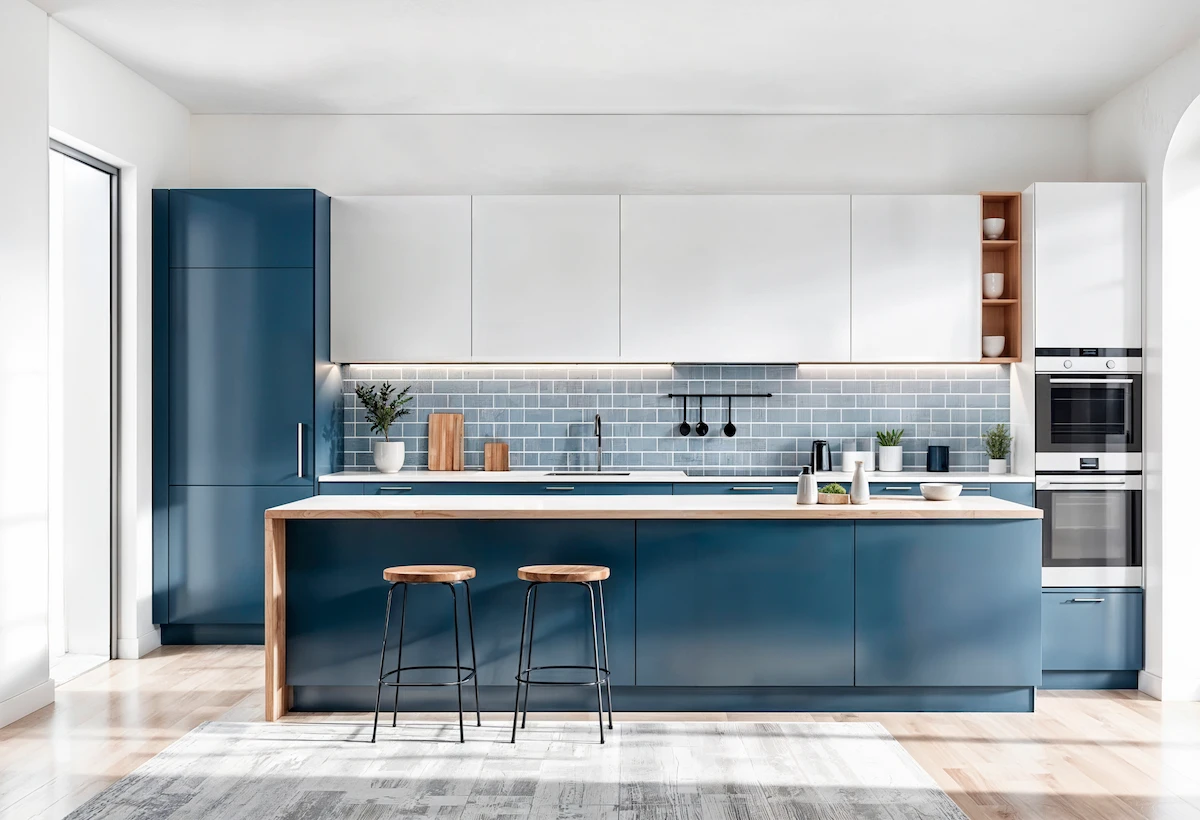
When planning your home interiors, choosing the right flooring is essential, especially in high-traffic zones like kitchens and dining spaces. The best flooring ideas for kitchen and dining area combine durability, style, and practicality to suit everyday living while enhancing your home’s overall look.
Whether you prefer a seamless open-plan design or a subtle contrast between zones, the right flooring can transform both spaces effortlessly.
Choosing the Right Flooring for Function and Style
Before diving into specific materials, it’s important to understand how your kitchen and dining area are used daily. These spaces often deal with spills, foot traffic, and furniture movement, so your flooring choice must balance aesthetics with resilience.
A. Durability Comes First
Kitchens are prone to moisture, stains, and heavy use. Opt for flooring that can withstand wear and tear without losing its appeal. Materials like luxury vinyl tiles (LVT), porcelain tiles, and laminate are excellent choices due to their robustness and low maintenance.
B. Easy Maintenance Matters
Cleaning should be hassle-free, especially in areas where food is prepared and consumed. Smooth, water-resistant surfaces are ideal as they can be wiped clean quickly without special treatments.
C. Comfort Underfoot
Dining areas often involve extended seating, while kitchens require standing for longer periods. Flooring with a slight cushioning effect, such as LVT, can make a noticeable difference in comfort.
Read also: Choose a Perfect Kitchen Flooring Options for Your Culinary Space
Popular Flooring Materials for Kitchen and Dining Areas
Different materials offer unique benefits, and selecting the right one depends on your lifestyle, budget, and design preferences.
A. Luxury Vinyl Tiles (LVT)
Luxury vinyl tiles (LVT) is one of the most popular modern solutions for kitchen and dining spaces. It mimics natural materials like wood and stone while offering superior durability and water resistance.
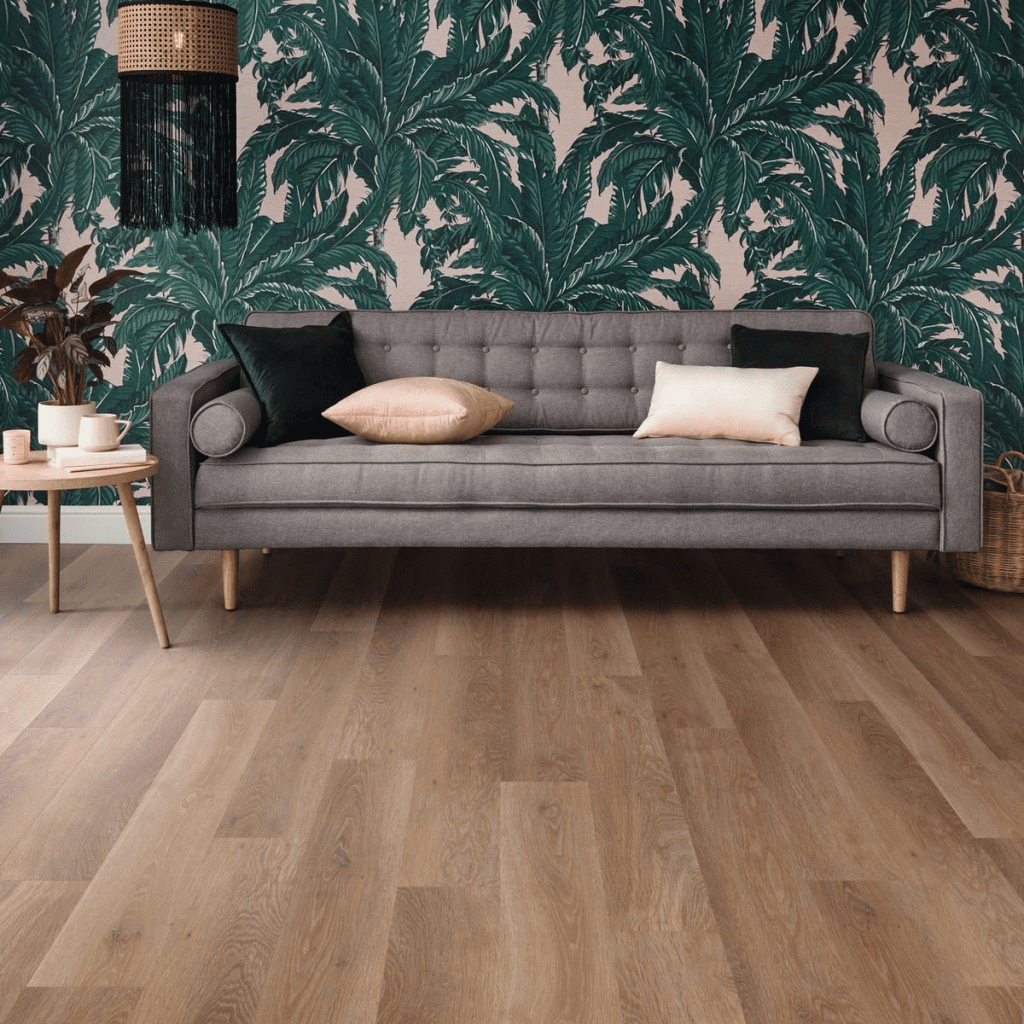
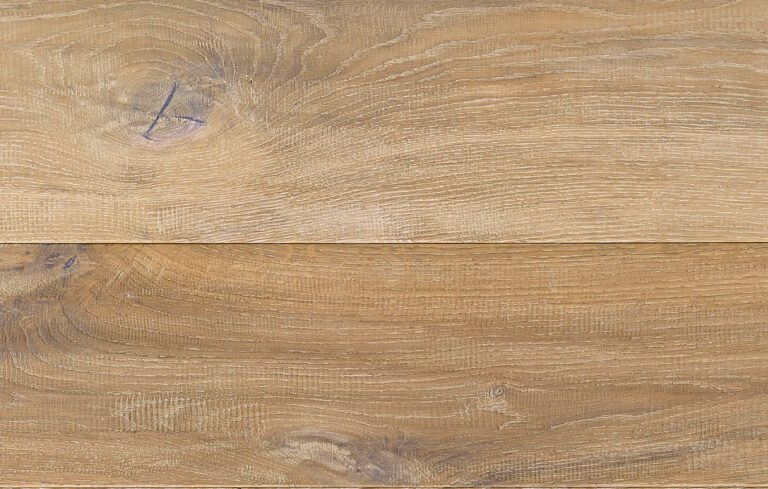
See product: TEKA Flooring “Karndean Knight Tile Rigid Core Pale Limed Oak – Special Offer” – a warm wood-look finish ideal for open-plan living.
B. Porcelain and Ceramic Tiles
Tiles are a classic option, known for their durability and resistance to moisture. They work particularly well in kitchens and can extend seamlessly into dining areas for a cohesive look.
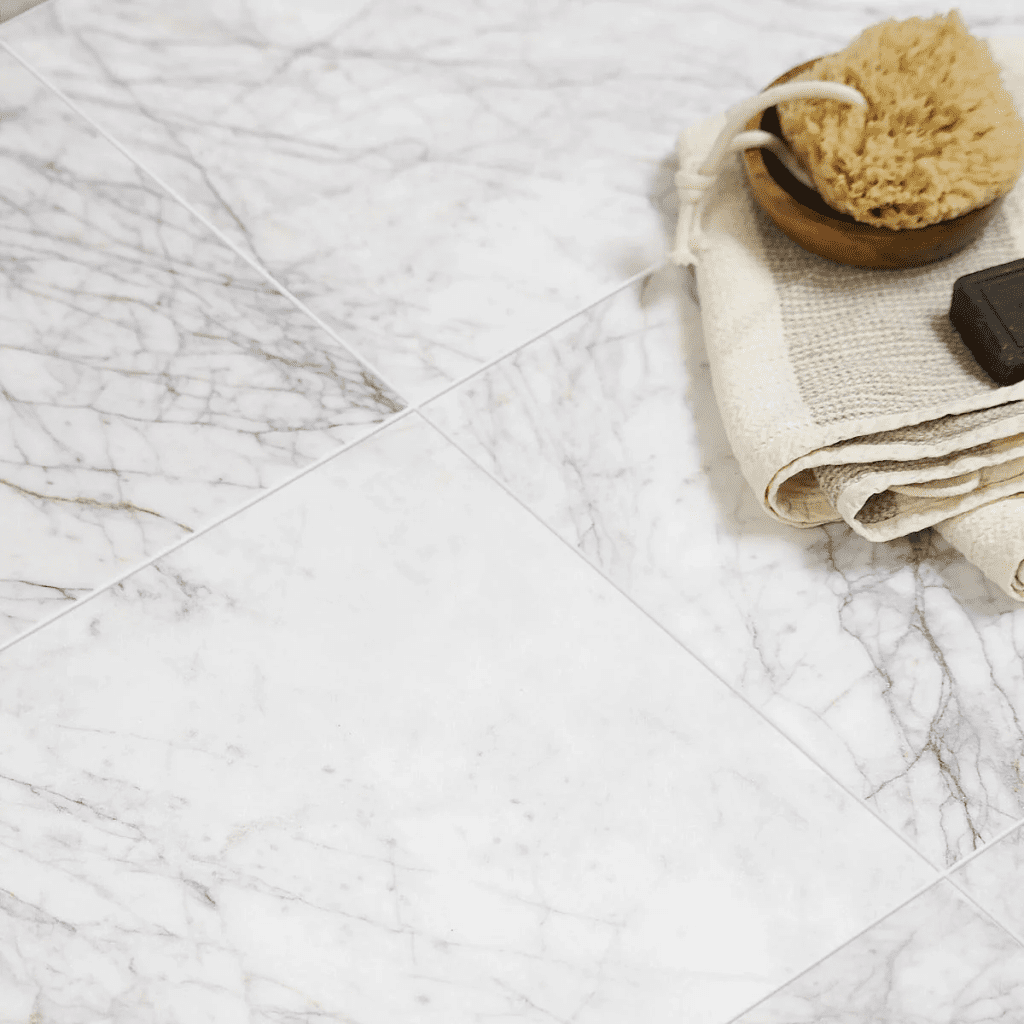
See product: TEKA Flooring “FIRED EARTH Ottimo Marble” – perfect for a sleek, contemporary finish.
C. Laminate Flooring
Laminate provides a cost-effective alternative to hardwood with impressive scratch resistance. Modern designs closely replicate real wood, making it suitable for dining areas connected to kitchens.
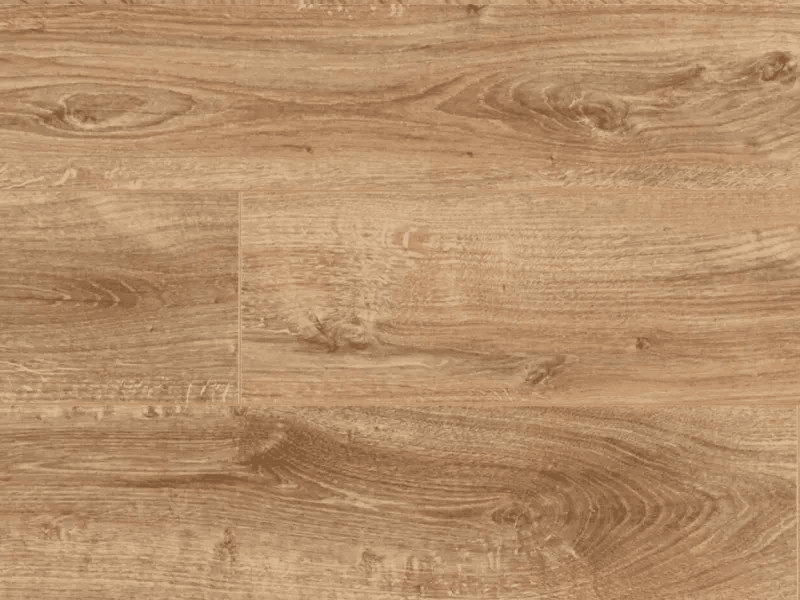
See product: TEKA Flooring “Elka 8mm Country Oak Laminate Flooring” – a durable, budget-friendly option with a realistic wood grain finish.
D. Engineered Wood Flooring
For a more premium feel, engineered wood offers the beauty of real timber with improved stability. It’s best suited for dining areas but can extend into kitchens with proper care.
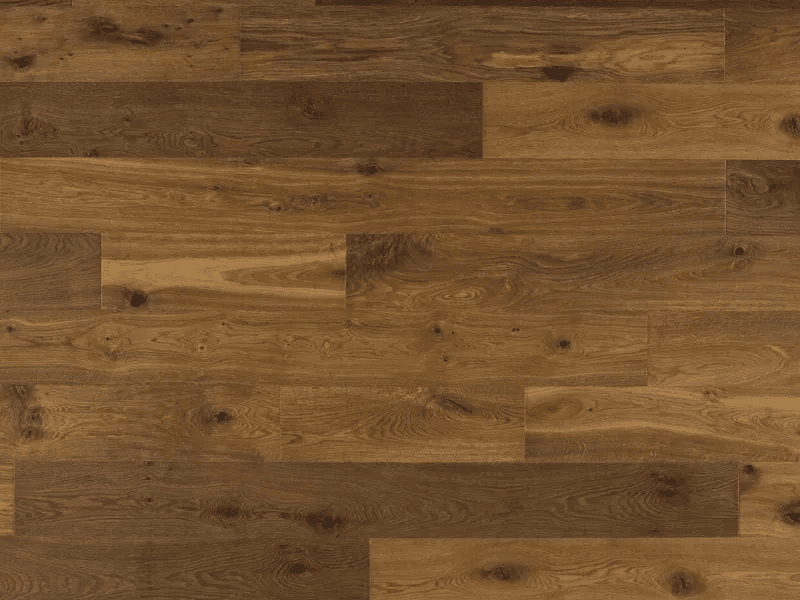
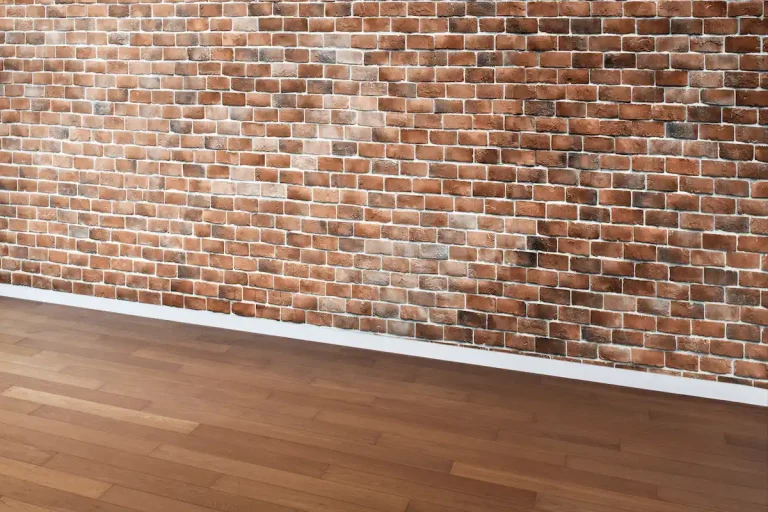
See product: TEKA Flooring “Elka 14mm Real Wood Caramel Oak Flooring” – a timeless choice that adds warmth and elegance to dining spaces.
Seamless vs Zoned Flooring Designs
Deciding whether to use one continuous flooring type or separate zones is key to achieving the desired aesthetic.
A. Seamless Open-Plan Flooring
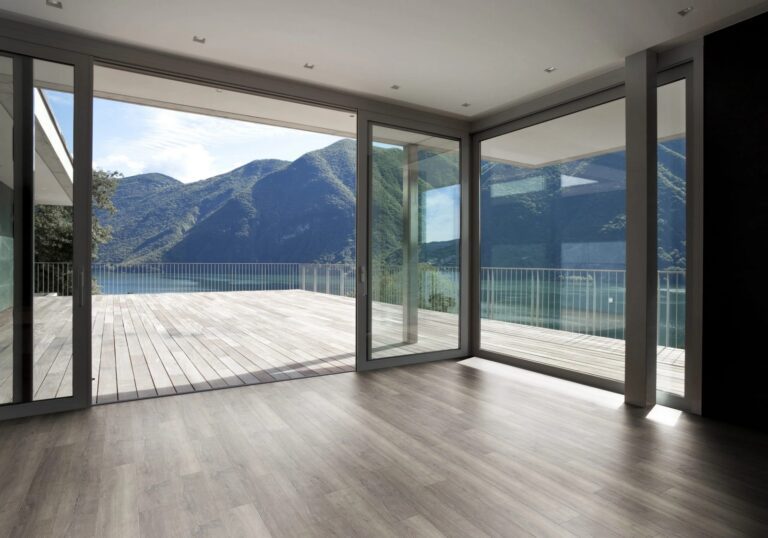
Using the same flooring throughout creates a spacious, cohesive look. This is ideal for modern homes with open-plan layouts, helping the kitchen and dining area flow naturally.
B. Zoning with Different Materials
Alternatively, you can define each space using different flooring types. For example, tiles in the kitchen and wood-effect LVT in the dining area can create visual interest while maintaining practicality.
C. Pattern Transitions
Creative transitions such as herringbone patterns or border tiles can subtly separate areas without harsh visual breaks.
Read also: Kitchen Cushion Flooring for a Cozy & Slip-Resistant Space
Colour and Design Trends to Consider
The colour and finish of your flooring play a major role in setting the tone of your kitchen and dining area.
A. Light and Neutral Tones
Light oak, beige, and soft grey shades are popular for creating airy, inviting spaces. They also make smaller kitchens appear larger.
B. Dark and Dramatic Finishes
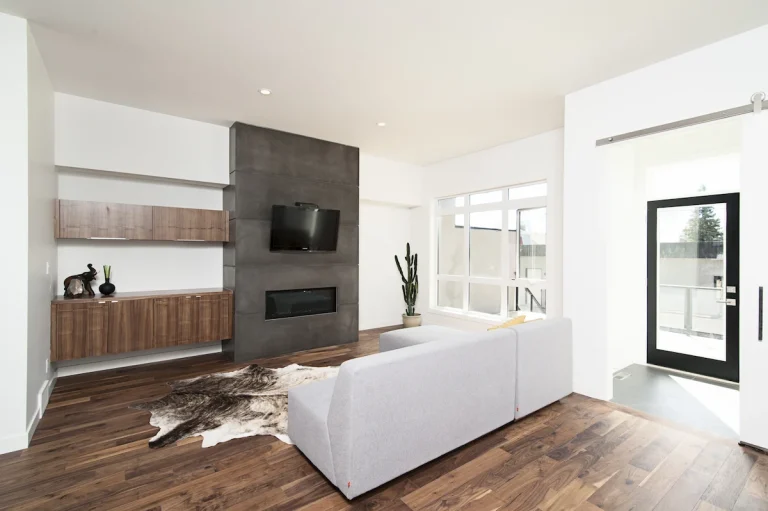
Darker tones like walnut or charcoal add depth and sophistication, especially in dining areas where you want a more intimate atmosphere.
C. Natural Stone Effects
Stone-look flooring is trending for its timeless appeal. It pairs beautifully with modern kitchen cabinetry and minimalist dining furniture.
Practical Tips for Installation and Longevity
Even the best flooring requires proper installation and care to maximise its lifespan.
A. Professional Fitting
Accurate installation ensures durability and a flawless finish. Poor fitting can lead to gaps, lifting, or uneven surfaces over time.
B. Moisture Protection
Use appropriate underlays and sealants, especially in kitchens, to prevent water damage and prolong the life of your flooring.
C. Regular Maintenance
Simple routines such as sweeping and occasional mopping can keep your flooring looking new for years. Avoid harsh chemicals that may damage the surface.
Final Thoughts on Flooring Ideas for Kitchen and Dining Area
Exploring the best flooring ideas for kitchen and dining area allows you to create a space that is both functional and visually appealing. From durable LVT to elegant engineered wood, the right choice depends on how you use your space and the style you want to achieve.
Whether you prefer a seamless design or a more defined layout, investing in quality flooring will enhance your home for years to come.
If you’re ready to upgrade your space, TEKA Flooring Peterborough offers a wide range of high-quality flooring options for kitchen and dining area that suit every style and budget.
Why not visit the showroom for a hands-on look at the latest collections, or get in touch via WhatsApp for a friendly, no-obligation consultation? With expert advice and professional fitting services available, transforming your kitchen and dining area has never been easier.
Read also: Should Flooring be Installed Before Cabinets? Learn Here!