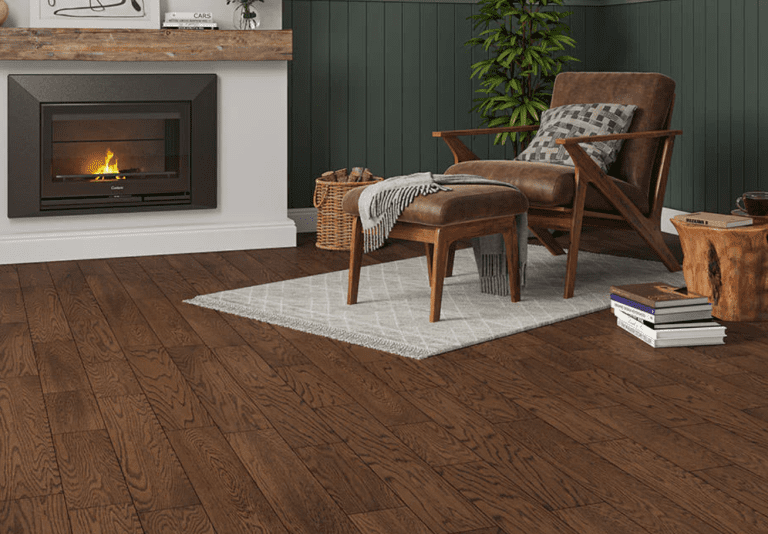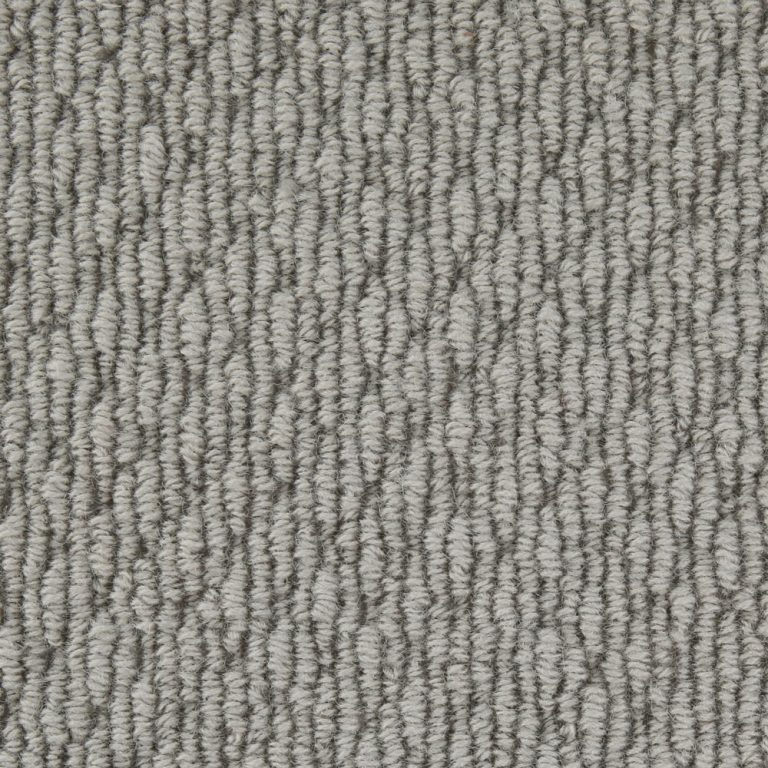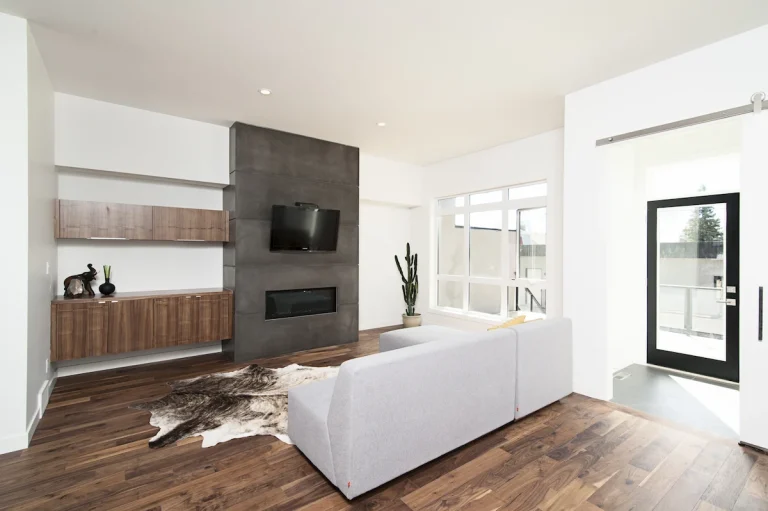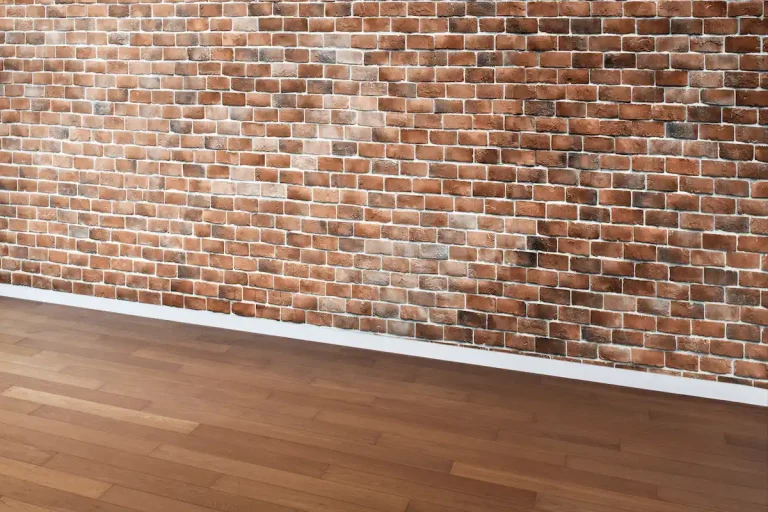


Understanding the basic rules of flooring can help create a well-balanced, visually appealing, and functional interior. Flooring is not just a practical surface; it plays a major role in defining the flow, proportion, and overall harmony of a space. By following established flooring rules, homeowners and designers can avoid common mistakes and achieve a more cohesive look.
These rules of flooring are not strict laws, but practical design guidelines that help inform better decisions. From layout proportions to colour balance and installation patterns, knowing these principles allows for flexibility while maintaining a professional finish.
What Are the Rules of Flooring?
The rules of flooring are design principles used to guide flooring selection, layout, and combination within a space. They focus on proportion, consistency, visual flow, and balance between different materials. Applying these rules helps ensure that flooring enhances the interior rather than overwhelming it.
Some rules relate to measurement and layout, while others focus on colour, texture, and how flooring interacts with walls, furniture, and lighting. Together, they provide a structured approach to flooring design.
The 3/4/5 Rule in Flooring
The 3/4/5 rule flooring is a practical guideline often used when planning plank layouts, especially for wood and wood-effect flooring. It suggests avoiding plank lengths or layout patterns that create repetitive or evenly spaced joints, which can look unnatural and visually distracting.
By varying plank placement and ensuring joints do not align too closely across rows, the flooring appears more natural and balanced. This rule helps improve the overall flow of the floor and reduces the risk of weak structural points.
The 60/30/10 Rule for Flooring and Interior Design
The 60/30/10 rule for flooring is borrowed from interior design and focuses on colour balance within a space. According to this rule, 60% of the room should be the dominant colour, 30% a secondary colour, and 10% an accent colour. Flooring usually forms part of the dominant 60%.
Applying this rule ensures the flooring colour supports the room rather than competing with walls or furniture. Neutral flooring often works well as the base, allowing accent colours to stand out without overwhelming the space.
Practical Rules of Flooring for Different Environments
Applying the right flooring rules for each environment helps ensure durability, safety, and long-term performance. Every room has different functional demands, so understanding practical flooring rules by space allows you to choose materials that perform well while maintaining a cohesive interior design.
Kitchen Flooring Rules
Kitchens are exposed to spills, heat, and frequent foot traffic, so flooring must be durable and easy to clean. Practical rules of flooring for kitchens focus on moisture resistance and safety.
- Choose water-resistant or waterproof flooring
- Prioritise easy-to-clean surfaces
- Select slip-resistant finishes for safety
- Avoid materials that absorb moisture or stain easily
Bathroom Flooring Rules
Bathrooms experience constant humidity and direct water exposure. Flooring rules for bathrooms prioritise waterproof performance and hygiene.
- Use fully waterproof flooring materials
- Select slip-resistant textures
- Avoid porous surfaces
- Ensure proper sealing and installation
Living Room Flooring Rules
Living rooms balance comfort, durability, and visual appeal. Flooring rules here focus on creating a welcoming yet practical space.
- Choose flooring that complements the interior style
- Ensure durability for regular foot traffic
- Consider comfort underfoot
- Maintain consistency with adjacent rooms
Bedroom Flooring Rules
Bedrooms are low-traffic areas designed for relaxation. Practical flooring rules for bedrooms prioritise comfort and warmth.
- Choose flooring with good insulation
- Prioritise soft or warm surfaces
- Consider sound-absorbing materials
- Avoid overly hard or cold finishes
Kids’ Room Flooring Rules
Children’s rooms require flooring that supports active use while remaining safe and easy to maintain. Flooring rules here focus on durability and safety.
- Choose impact-resistant flooring
- Prioritise easy-to-clean surfaces
- Select slip-resistant materials
- Avoid sharp edges or hard, unforgiving surfaces
Laundry Room Flooring Rules
Laundry rooms are functional spaces exposed to moisture, detergents, and heavy appliances. Flooring rules for laundry rooms focus on resilience and water resistance.
- Use moisture-resistant flooring
- Choose materials that support heavy loads
- Ensure easy maintenance and cleaning
- Avoid flooring that warps or swells
Hallway and Entrance Flooring Rules
Hallways and entrances are high-traffic zones exposed to dirt and moisture from outdoors. Flooring rules for these areas focus on durability and maintenance.
- Choose highly durable materials
- Prioritise scratch and stain resistance
- Select flooring that is easy to clean
- Maintain visual continuity with adjoining rooms
Practical rules of flooring are about matching material performance to real-life use. By applying environment-specific flooring rules, you can avoid common issues such as premature wear, safety risks, and maintenance problems while ensuring a functional and cohesive interior.
Understanding and applying the right rules of flooring helps ensure your space is not only visually balanced but also practical and long-lasting. From layout and proportion to choosing the right materials for each environment, following these guidelines can make a real difference in the final result. If you are planning to upgrade your floors, our team at TEKA Flooring is here to help. Explore our flooring collections and consult your flooring needs with us to find solutions that suit your space, lifestyle, and design goals with confidence.