

Standing for long periods, walking on hard surfaces, or dealing with conditions like plantar fasciitis can all take a toll on your feet. The right flooring makes a genuine difference to daily comfort, joint health, and long-term well-being.
This guide breaks down the flooring types that offer the most relief for tired, aching feet — from soft carpet and resilient cork to cushioned vinyl and shock-absorbing rubber — so you can choose the best option for your home or workspace.
What to Consider When Choosing Flooring for Foot Comfort
Before comparing materials, it helps to understand the five key factors that determine how a floor feels underfoot and how it affects your body over time.
Cushioning and Comfort
The softer a surface, the less pressure it places on the soles, heels, and balls of your feet. Materials with natural give — like carpet, cork, and rubber — distribute your body weight more evenly, reducing localised stress points that lead to pain.
For anyone who spends hours on their feet at home (cooking, working at a standing desk, or caring for children), cushioning is arguably the most important criterion. Underlayment can further enhance comfort on harder surfaces.
Shock Absorption
Every step generates impact force. On rigid surfaces like concrete or stone, that force travels up through your ankles, knees, and hips. Flooring with good shock absorption — rubber, cork, and thick carpet with quality underlay — dampens that impact, protecting joints and reducing fatigue over the course of a day.
This matters especially if you suffer from osteoarthritis, chronic joint pain, or are recovering from lower-limb injuries.
Slip Resistance
A floor that’s comfortable but slippery creates a different kind of problem. Look for materials with textured surfaces or inherent grip — rubber and carpet are naturally non-slip, while textured tile and vinyl can also perform well in wet areas like kitchens and bathrooms.
Durability
Comfort matters, but your flooring also needs to withstand daily use. A floor that compresses, dents, or wears thin within a few years will lose its cushioning properties. High-traffic areas need materials that balance softness with resilience — laminate and vinyl perform well here, while carpet in busy hallways may need replacing sooner.
Maintenance
Consider how much upkeep you’re willing to commit to. Carpet requires regular vacuuming and periodic deep cleaning; cork and hardwood need occasional resealing; vinyl and tile are generally low-maintenance. A floor you can easily keep clean also means fewer allergens underfoot — important for overall home health.
Best Flooring Types for Feet
Here’s how the most popular flooring options compare when it comes to foot comfort, shock absorption, and overall support.
1. Carpet — Best Overall for Foot Comfort
Carpet remains the gold standard for cushioning underfoot. A quality carpet with thick underlay provides unmatched softness, warmth, and shock absorption — making it the top pick for bedrooms, living rooms, and home offices where you want maximum comfort.
Why it’s great for feet:
- Plush fibres and underlay create a cushioned surface that reduces pressure on heels and joints
- Naturally non-slip, reducing risk of falls
- Insulates against cold, keeping feet warm in winter
- Absorbs sound, creating a quieter environment
Best for: Bedrooms, living rooms, home offices, and stairs
Consider: Requires regular vacuuming and occasional deep cleaning. Not ideal for wet areas. Choose a high-quality, dense pile for maximum comfort and longevity.
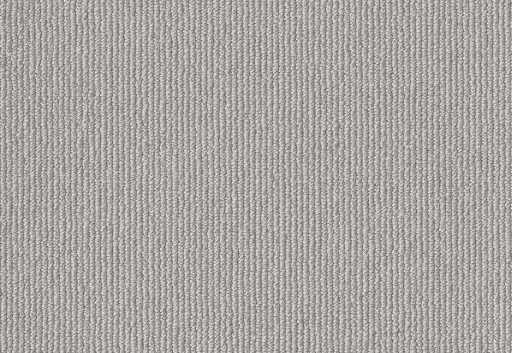
See product: Alternative Flooring Wool Rib Silver Birch
2. Cork — Best for Joint Support
Cork is a natural shock absorber with a cellular structure that compresses and rebounds with each step. This “give” makes it exceptionally gentle on joints — particularly beneficial for those with arthritis, plantar fasciitis, or lower back pain.
Why it’s great for feet:
- Micro-cellular structure absorbs impact naturally
- Provides thermal insulation — warm underfoot year-round
- Antimicrobial and hypoallergenic
- Sustainably harvested (bark regrows without harming the tree)
Best for: Kitchens, home offices, playrooms, and living areas
Consider: Needs periodic resealing to protect against moisture. Can dent under very heavy furniture without protective pads.
3. Rubber — Best for Active Spaces
Rubber flooring combines excellent shock absorption with outstanding slip resistance, making it ideal for gyms, utility rooms, and any space where you’re active on your feet.
Why it’s great for feet:
- Superior shock absorption reduces fatigue during prolonged standing or exercise
- Anti-slip surface prevents falls, even when wet
- Extremely durable — withstands heavy foot traffic and equipment
- Easy to clean and naturally antimicrobial
Best for: Home gyms, garages, commercial kitchens, playrooms, and utility areas
Consider: Limited aesthetic options compared to other flooring types. Can have a distinct smell when new (which dissipates over time).
4. Vinyl / LVT — Best Balance of Comfort and Practicality
Modern luxury vinyl tile (LVT) and cushioned vinyl sheet flooring offer a surprisingly comfortable surface with excellent water resistance and easy maintenance. The built-in cushion layer in quality vinyl provides noticeable relief compared to tile or hardwood.
Why it’s great for feet:
- Integrated foam or cork backing adds cushioning underfoot
- Water-resistant — ideal for kitchens, bathrooms, and hallways
- Slip-resistant textured options available
- Available in realistic wood and stone effects without the hardness
Best for: Kitchens, bathrooms, hallways, and open-plan living areas
Consider: Quality matters — thicker vinyl with better backing provides more comfort. Budget options can feel thin and offer minimal cushioning.
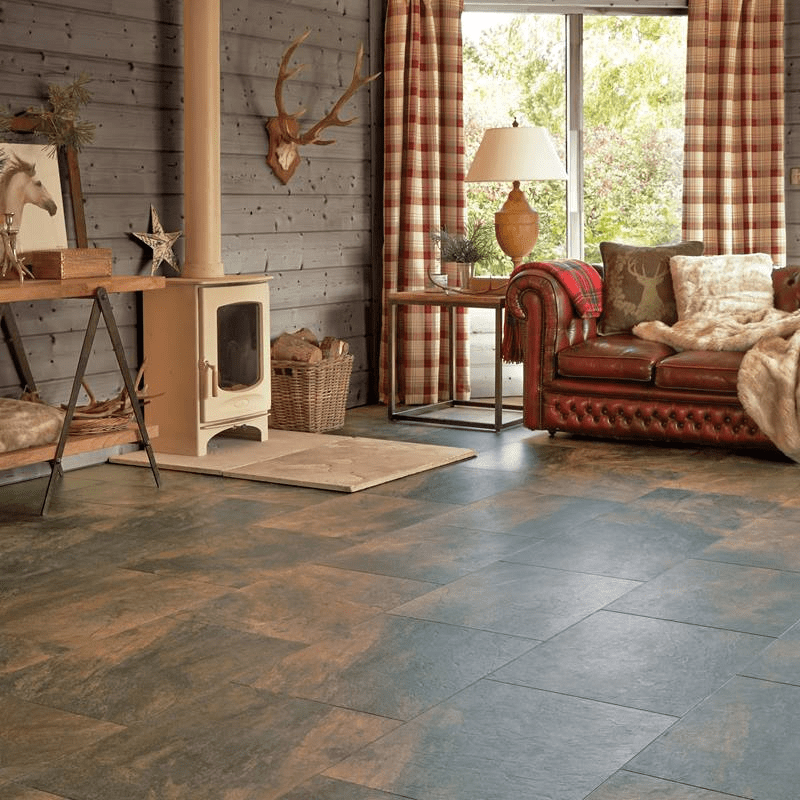
See product: Karndean Art Select Slate Melbourne
5. Laminate — Best Budget-Friendly Option
Laminate flooring with a good underlay can offer reasonable comfort at a fraction of the cost of hardwood or engineered wood. While laminate itself is a hard surface, pairing it with a foam or cork underlay significantly improves the feel underfoot.
Why it’s great for feet:
- Affordable and widely available in realistic designs
- Scratch-resistant and durable for busy households
- Comfort level can be customised with different underlay thicknesses
- Easy click-lock installation
Best for: Living rooms, bedrooms, and hallways on a budget
Consider: Without underlay, laminate can feel hard and echoey. Not suitable for wet areas. Choose a minimum 10mm thickness for better comfort. Browse our laminate collection for options.

See product: Elka 12mm Misty Oak
6. Hardwood — Best for Posture (With Rugs)
Hardwood is a firm surface that doesn’t offer much natural cushioning. However, it promotes good posture and foot mechanics because it provides a stable, flat platform. Paired with area rugs or anti-fatigue mats in key zones, hardwood can work well for foot comfort.
Why it’s great for feet:
- Flat, stable surface supports natural foot alignment
- Natural warmth of timber is more pleasant than stone or concrete
- Long-lasting — can be refinished multiple times
- Improves indoor air quality (no trapped allergens)
Best for: Living rooms, dining rooms, and bedrooms (with rugs in standing areas)
Consider: Prolonged standing on hardwood without a rug or mat can cause heel and joint discomfort. Susceptible to scratches and requires occasional refinishing.
7. Tile — Best for Wet Areas (Pair With Mats)
Tile is extremely durable and water-resistant, making it essential in bathrooms and kitchens. For foot comfort, it’s one of the harder options — but textured tiles provide excellent grip, and anti-fatigue mats can compensate in areas where you stand for long periods.
Why it’s great for feet:
- Textured options offer reliable slip resistance
- Extremely durable and low-maintenance
- Compatible with underfloor heating for added warmth
- Huge range of styles and finishes
Best for: Bathrooms, kitchens, hallways, and conservatories
Consider: Hard on joints without mats or underfloor heating. Can be cold in winter without heating. Use anti-fatigue mats at kitchen sinks or standing workstations.
8. Concrete — Hardest Surface (Needs Additions)
Concrete is the firmest common flooring material and offers almost no natural cushioning or shock absorption. While it’s durable and increasingly popular for its industrial aesthetic, it’s the least foot-friendly option without modifications.
Why you might still choose it:
- Extremely durable and low-maintenance
- Works well with underfloor heating systems
- Can be polished, stained, or coated for various looks
- Good for allergy sufferers (no fibres to trap dust)
Essential additions for comfort: Area rugs, anti-fatigue mats, underfloor heating, and supportive slippers or indoor shoes.
Quick Comparison Table
| Flooring Type | Comfort | Shock Absorption | Slip Resistance | Durability | Best For |
|---|---|---|---|---|---|
| Carpet | ★★★★★ | ★★★★★ | ★★★★★ | ★★★☆☆ | Bedrooms, living rooms |
| Cork | ★★★★☆ | ★★★★★ | ★★★★☆ | ★★★☆☆ | Kitchens, offices |
| Rubber | ★★★★☆ | ★★★★★ | ★★★★★ | ★★★★★ | Gyms, utility rooms |
| Vinyl / LVT | ★★★★☆ | ★★★☆☆ | ★★★★☆ | ★★★★☆ | Kitchens, bathrooms |
| Laminate | ★★★☆☆ | ★★★☆☆ | ★★★☆☆ | ★★★★☆ | Budget-friendly rooms |
| Hardwood | ★★★☆☆ | ★★☆☆☆ | ★★★☆☆ | ★★★★★ | Living areas (with rugs) |
| Tile | ★★☆☆☆ | ★★☆☆☆ | ★★★★☆ | ★★★★★ | Bathrooms, kitchens |
| Concrete | ★☆☆☆☆ | ★☆☆☆☆ | ★★★☆☆ | ★★★★★ | Industrial, garages |
Tips to Improve Foot Comfort on Any Floor
Regardless of which flooring you choose, these practical additions can significantly improve how your feet feel throughout the day:
- Add quality underlay — even a 3mm foam underlay beneath laminate or vinyl makes a noticeable difference to cushioning
- Use area rugs in standing zones — at kitchen sinks, standing desks, and workbenches
- Invest in anti-fatigue mats for areas where you stand for extended periods
- Consider underfloor heating — warm floors improve circulation and make hard surfaces feel more comfortable
- Wear supportive indoor footwear on hard floors rather than going barefoot
- Choose thicker options — thicker carpet, thicker vinyl, thicker underlay all mean more cushioning
Which Room Needs What?
Different rooms have different demands. Here’s a quick guide to matching flooring with room function for maximum foot comfort:
- Bedroom: Carpet (maximum comfort and warmth for bare feet)
- Living room: Carpet or cork (softness for relaxing and play)
- Kitchen: Vinyl/LVT or cork (cushioning plus water resistance)
- Bathroom: Vinyl or textured tile (waterproof with slip resistance)
- Home office: Cork or carpet (reduces fatigue from standing desks)
- Home gym: Rubber (shock absorption for high-impact activity)
- Hallway: Durable vinyl or laminate with underlay (traffic-resistant comfort)
Frequently Asked Questions
What is the most comfortable flooring to stand on all day?
Carpet with a thick underlay is the most comfortable flooring for prolonged standing. Cork is a close second, offering natural shock absorption without the maintenance requirements of carpet. For kitchens or bathrooms where carpet isn’t practical, cushioned vinyl or anti-fatigue mats on harder floors provide excellent relief.
Is hard flooring bad for your feet?
Hard flooring like tile, concrete, and hardwood can contribute to foot pain, heel discomfort, and joint fatigue — especially if you stand on it for long periods without supportive footwear or mats. However, hard flooring isn’t inherently bad; pairing it with area rugs, quality underlay, or anti-fatigue mats can significantly reduce the impact on your feet.
What flooring is best for plantar fasciitis?
Cork and carpet are the best flooring choices for plantar fasciitis sufferers. Both provide cushioning that reduces strain on the plantar fascia with every step. Cork’s natural rebound properties are particularly beneficial, as they support the arch without being too soft. Rubber flooring is another good option for exercise areas.
Does underlay really make a difference for foot comfort?
Yes, significantly. A quality underlay (8-12mm thick) beneath laminate, engineered wood, or carpet can transform the feel of a floor. It adds cushioning, reduces impact noise, and provides thermal insulation. For foot comfort, underlay is one of the most cost-effective upgrades you can make.
What is the best flooring for elderly people with foot pain?
For elderly residents, the best flooring combines cushioning with slip resistance. Low-pile carpet, cork, and textured vinyl/LVT are top choices. Avoid loose rugs that can cause trips, and ensure transitions between rooms are flush. Rubber flooring in bathrooms and wet areas provides both grip and cushioning.
Can I make tile floors more comfortable for my feet?
Absolutely. Add anti-fatigue mats at standing workstations, use washable area rugs in living spaces, install underfloor heating for warmth, and wear supportive indoor shoes. These additions can make tile floors significantly more foot-friendly without sacrificing their durability or water resistance.
Final Thoughts
The best flooring for your feet depends on where you’re installing it and what your body needs. For pure comfort, carpet is unbeatable. For joint support and eco-friendliness, cork stands out. For wet areas, vinyl offers the best combination of cushioning and water resistance.
The good news is that with quality underlay, anti-fatigue mats, and area rugs, almost any flooring can be made more foot-friendly.
Ready to find the perfect flooring for your home? Visit TEKA Flooring in Peterborough to see and feel our full range in person. Our expert team can help you choose the right material and handle the professional fitting for you.
Read also: