


LVT flooring is designed to be low-maintenance, but cleaning it correctly makes a real difference to how long it stays looking new. Using the wrong products or techniques can dull the wear layer, cause discolouration, or even void your warranty.
This guide covers the best daily cleaning routine, deep cleaning methods, stain removal tips, and the products to use (and avoid) on LVT flooring.
Why Cleaning LVT Correctly Matters
Dirt and grit act like fine sandpaper under your feet. Every footstep grinds tiny particles against the wear layer, gradually scratching and dulling the surface. Once the wear layer is compromised, the floor becomes more vulnerable to staining and moisture damage.
Regular cleaning with the right method prevents this entirely and keeps the floor looking fresh for 15 to 25 years. It also maintains the conditions required by most manufacturer warranties from brands like Karndean, Luvanto, and Floorify.
Daily Cleaning Routine
Sweeping and Vacuuming
Remove loose dirt, dust, and debris before it gets ground into the surface. Use a soft-bristle broom or a vacuum cleaner set to hard floor mode (with the beater bar turned off to avoid scratching).
Sweep high-traffic areas like hallways, kitchens, and living rooms daily. Lower-traffic rooms can be done every two to three days. Place doormats at entrances to reduce the amount of grit brought in from outside.
Damp Mopping
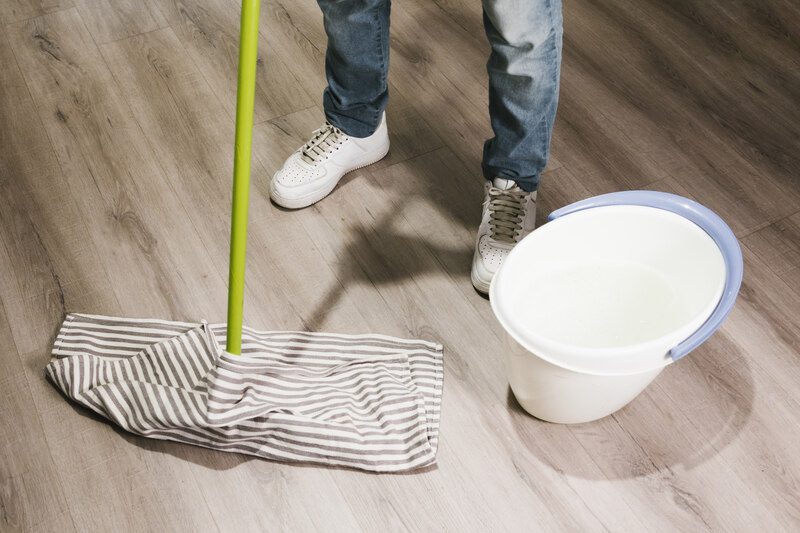
For regular mopping, follow this process:
- Mix a small amount of pH-neutral floor cleaner in warm water (follow the product label for dilution ratios)
- Use a microfibre flat mop, which picks up residue effectively without leaving excess water
- Wring the mop thoroughly so it is damp, not wet
- Mop in the direction of the planks or tiles
- Allow to air dry (no rinsing needed if you used the correct dilution)
Mop kitchens and bathrooms weekly. Other rooms can be mopped every two to three weeks depending on traffic levels.
Spot Cleaning Spills
Blot spills immediately with a clean, damp cloth. Do not rub, as this can spread the spill toward seams. For thicker spills like food or grease, gently scrape off solids first with a plastic spatula, then wipe clean with a damp cloth.
Deep Cleaning LVT Flooring
Every one to two months, give your LVT floor a deeper clean to remove any buildup that regular mopping misses.
Use a dedicated LVT floor cleaner (such as Karndean Clean, Bona Hard Floor Cleaner, or Dr Beckmann Floor Cleaner) at the recommended concentration. Apply with a microfibre mop, working in sections. For textured LVT that mimics stone or wood grain, use a soft-bristle brush to work the cleaner into the texture before mopping up.
After deep cleaning, ensure the floor dries completely before walking on it. Open windows or use a fan to speed up drying in humid conditions.
How to Remove Tough Stains from LVT
Most stains can be removed with the right approach if you act quickly.
- Scuff marks: Rub gently with a pencil eraser or a tennis ball, then wipe clean
- Ink or marker: Apply rubbing alcohol to a cloth and dab the stain until it lifts
- Red wine or coffee: Blot immediately, then clean with pH-neutral cleaner. For dried stains, apply a paste of bicarbonate of soda and water, leave for 5 minutes, then wipe away
- Grease or oil: Use a small amount of washing-up liquid on a damp cloth
- Hair dye: Rubbing alcohol on a cloth, working gently to avoid spreading
- Adhesive residue: Apply a small amount of WD-40 to a cloth, wipe the residue, then clean thoroughly with floor cleaner
For ground-in dirt that will not lift with normal mopping, see our guide on cleaning vinyl floors with ground-in dirt.
Products to Use and Avoid
Safe to use:
- pH-neutral floor cleaners (Karndean Clean, Bona, Method Hard Floor Cleaner)
- Warm water with a small drop of washing-up liquid (for occasional use)
- Microfibre mops and cloths
- Soft-bristle brooms
Avoid these:
- Steam mops (heat damages LVT and can loosen adhesive)
- Bleach or ammonia-based cleaners
- Vinegar or any acidic solution
- Abrasive scrubbing pads or steel wool
- Wax or polish products (these leave a cloudy residue on LVT)
- Excessive water (standing water can seep into seams)
Long-Term Maintenance Tips
- Place felt pads under furniture legs to prevent indentation and scratching
- Use doormats at all entrances to trap grit before it reaches the floor
- Avoid dragging heavy furniture across the surface
- Keep pet nails trimmed to reduce surface scratches
- Protect from prolonged direct sunlight with blinds or curtains to prevent fading
- Clean up pet accidents immediately to prevent discolouration
If your LVT develops scratches over time, minor surface marks can often be disguised with a manufacturer-recommended repair kit. For more serious damage, individual tiles or planks can usually be replaced without disturbing the rest of the floor. If you notice edges lifting, read our guide on how to fix lifting LVT flooring.
Common Mistakes That Damage LVT Flooring
- Using a steam mop (the most common cause of LVT damage)
- Mopping with too much water and not wringing the mop properly
- Using vinegar, bleach, or multi-purpose cleaners not designed for vinyl
- Applying wax or polish, which builds up and causes a dull, cloudy finish
- Scrubbing with abrasive pads that scratch the wear layer
- Ignoring spills, allowing them to dry and become harder to remove
Frequently Asked Questions
Can I use vinegar to clean LVT flooring?
No. Vinegar is acidic and will gradually dull the protective wear layer over time, making the floor look faded and worn. Use a pH-neutral floor cleaner instead, which is specifically formulated to clean without causing chemical damage to the surface.
Can I use a steam mop on LVT?
No. Steam mops generate intense heat and moisture that can warp LVT planks, cause edges to lift, and break down the adhesive underneath gluedown installations. This applies to all LVT products regardless of brand. A damp microfibre mop is the safest and most effective alternative.
How often should I mop LVT flooring?
Weekly mopping is sufficient for most households. Kitchens and bathrooms may benefit from mopping twice per week due to higher exposure to spills and moisture. Always use a well-wrung mop to avoid excess water sitting on the surface.
My LVT looks dull after cleaning. What went wrong?
This is usually caused by product buildup from using too much cleaner, or from using a product that leaves residue (such as wax-based cleaners or vinegar). To fix it, mop the floor with clean warm water only, using a well-wrung microfibre mop. If the dullness persists, use a dedicated LVT floor cleaner at the correct dilution to strip the residue.
Is there a difference between cleaning LVT and cushion vinyl?
The cleaning process is essentially the same for both. Both have a vinyl wear layer that responds best to gentle, pH-neutral cleaning. LVT typically has a thicker wear layer and individual planks or tiles with seams, so extra care should be taken not to flood water into the joints. Cushion vinyl in sheet form has fewer seams but is equally sensitive to harsh chemicals and steam.
Can I use a robot vacuum on LVT flooring?
Yes. Robot vacuums are excellent for daily dust and debris removal on LVT. Choose a model with soft rubber wheels rather than hard plastic, and ensure it does not use rotating bristle brushes that could scratch the surface. Many modern robot vacuums also offer a gentle mopping function that works well for routine LVT maintenance.
At TEKA Flooring, we stock a wide range of LVT from leading brands including Karndean, Floorify, Luvanto, and Camaro. Not sure which is right for your space? Book a free consultation and we will help you choose.
Read also: