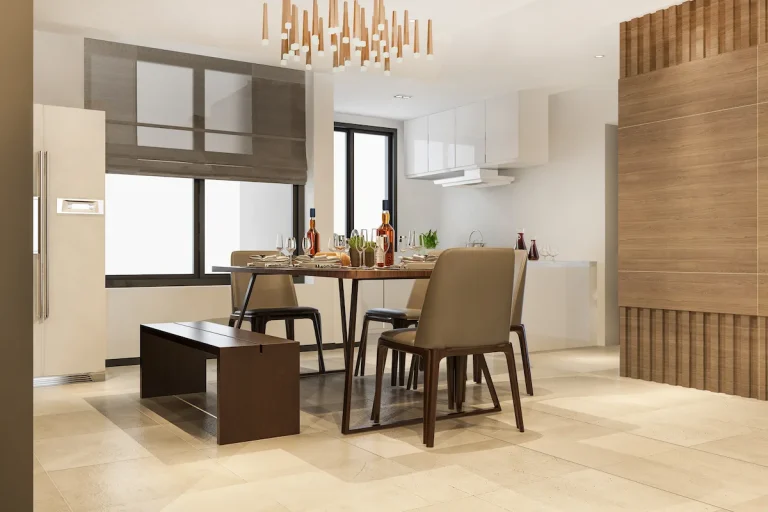


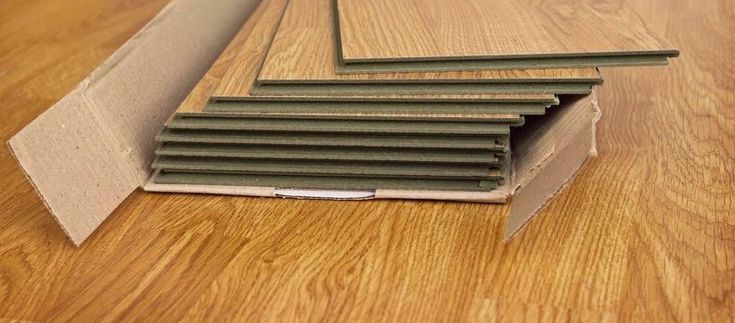
Choosing the right laminate flooring thickness is one of the most important decisions you will make when shopping for new floors. The thickness directly affects durability, sound insulation, underfoot comfort, and how well the flooring performs in different rooms. Whether you are renovating a bedroom, upgrading your kitchen, or fitting out a bathroom, understanding laminate thickness will help you make the best choice for your home.
This guide covers everything you need to know about laminate flooring thickness, from how it is measured to the ideal thickness for each room, so you can choose with confidence.
What Does Laminate Flooring Thickness Mean?
Laminate flooring is made up of four layers: a backing layer, a core (HDF) layer, a decorative layer, and a protective wear layer. The thickness measurement refers to the total height of these combined layers, excluding any underlay you add separately.
In the UK market, laminate flooring typically ranges from 6mm to 12mm. Thicker laminate generally provides better impact resistance, improved sound absorption, and greater stability over minor subfloor imperfections. However, thickness alone does not determine quality. The density of the HDF core and the AC rating (abrasion class) are equally important in determining how long your floor will last.
How Thick is Laminate Flooring with Underlay?
The total installed height of your laminate floor depends on both the board thickness and the underlay beneath it. Underlay adds soundproofing, moisture protection, and thermal insulation while also helping to level out small imperfections in the subfloor.
Most underlay options range from 2mm to 5mm in thickness. For example, an 8mm laminate board with a 3mm underlay gives a total height of 11mm. A 12mm board with 5mm underlay results in a total of 17mm. Keep this combined measurement in mind when planning transitions between rooms, door clearances, and skirting board heights.
Does Thicker Laminate Always Mean Better Quality?
Not necessarily. While thicker laminate boards tend to feel more solid underfoot and absorb sound better, the quality of the core material matters just as much. A well-made 8mm laminate with a high-density core can outperform a cheaper 12mm product with a low-density core.
When comparing products, look at the AC rating alongside thickness. AC3 is suitable for moderate residential use, AC4 handles heavy residential and moderate commercial traffic, and AC5 is designed for the most demanding environments. A thicker board with a higher AC rating will deliver the best long-term performance.
Best Laminate Flooring Thickness for Each Room
Different rooms in your home have different demands. Here is a room-by-room breakdown to help you choose the right thickness.
Kitchen and Dining Room (10mm to 12mm)
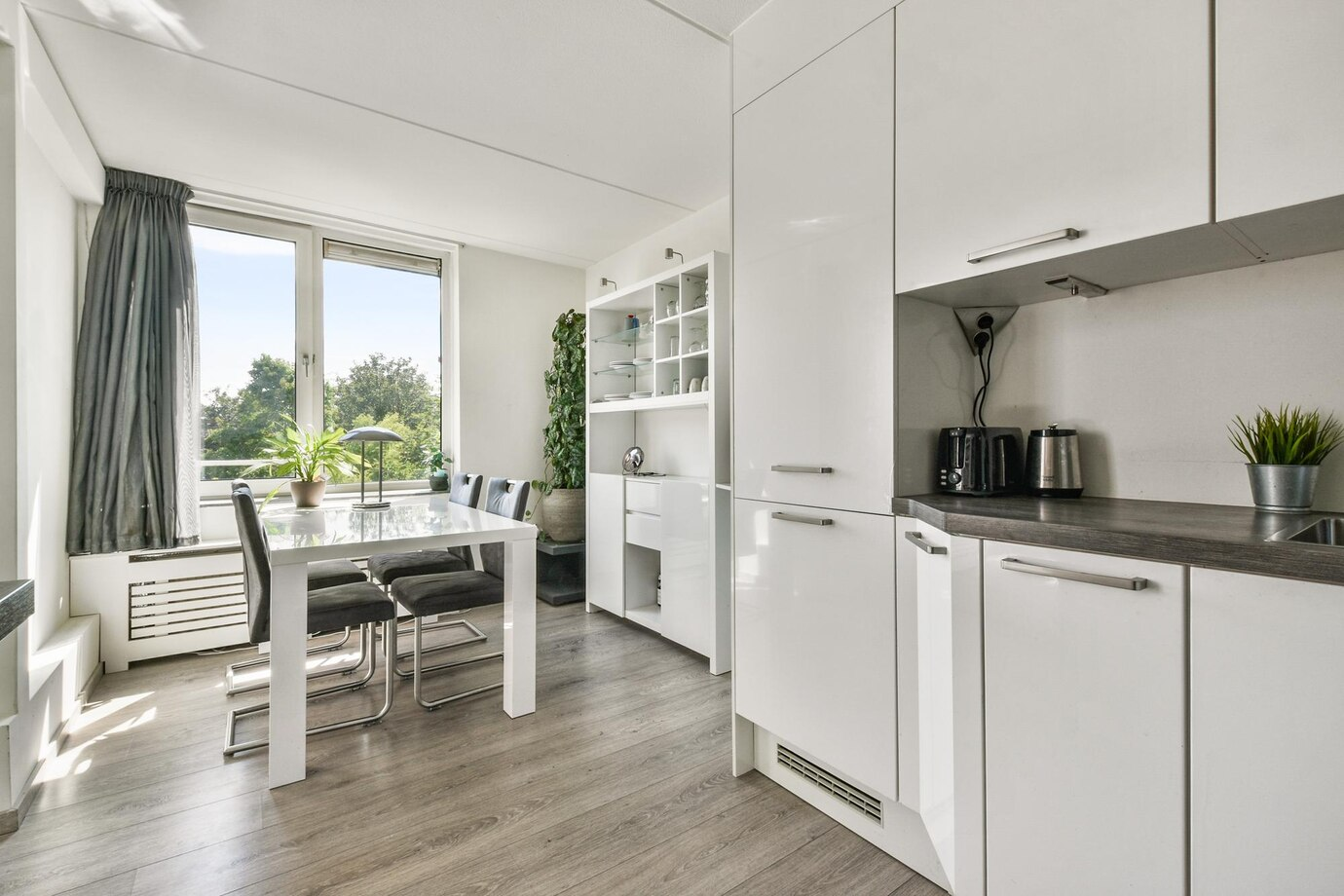
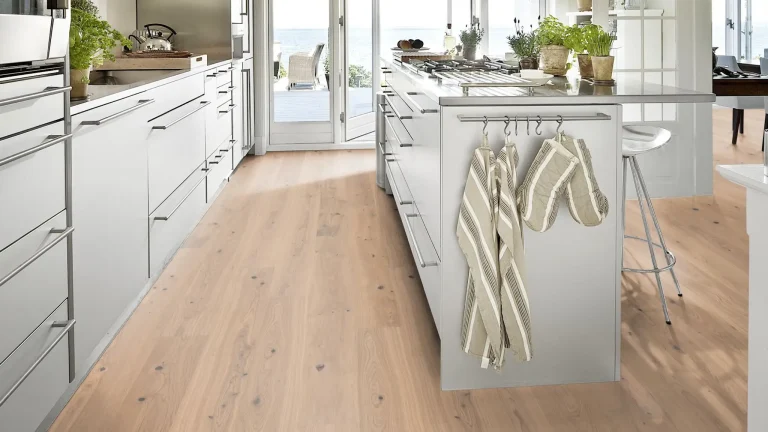
Kitchens and dining rooms see heavy foot traffic, furniture movement, and frequent exposure to moisture from spills. A laminate thickness of 10mm to 12mm is ideal for these spaces. Thicker boards provide better resistance to denting from heavy furniture and dropped items, while also offering improved sound dampening when walking across the floor.
For kitchens specifically, always choose laminate with a water-resistant or waterproof core. Pair it with a moisture-barrier underlay to protect against splashes and spills that could seep between joints. Look for products with tight click-lock systems that minimise gaps where water could penetrate.
Recommended products:
- Elka 12mm Barn Oak
- Quick-Step Impressive Ultra Concrete Wood Light Grey
- Quick-Step Impressive Ultra Natural Pine
Bedrooms and Home Offices (6mm to 8mm)
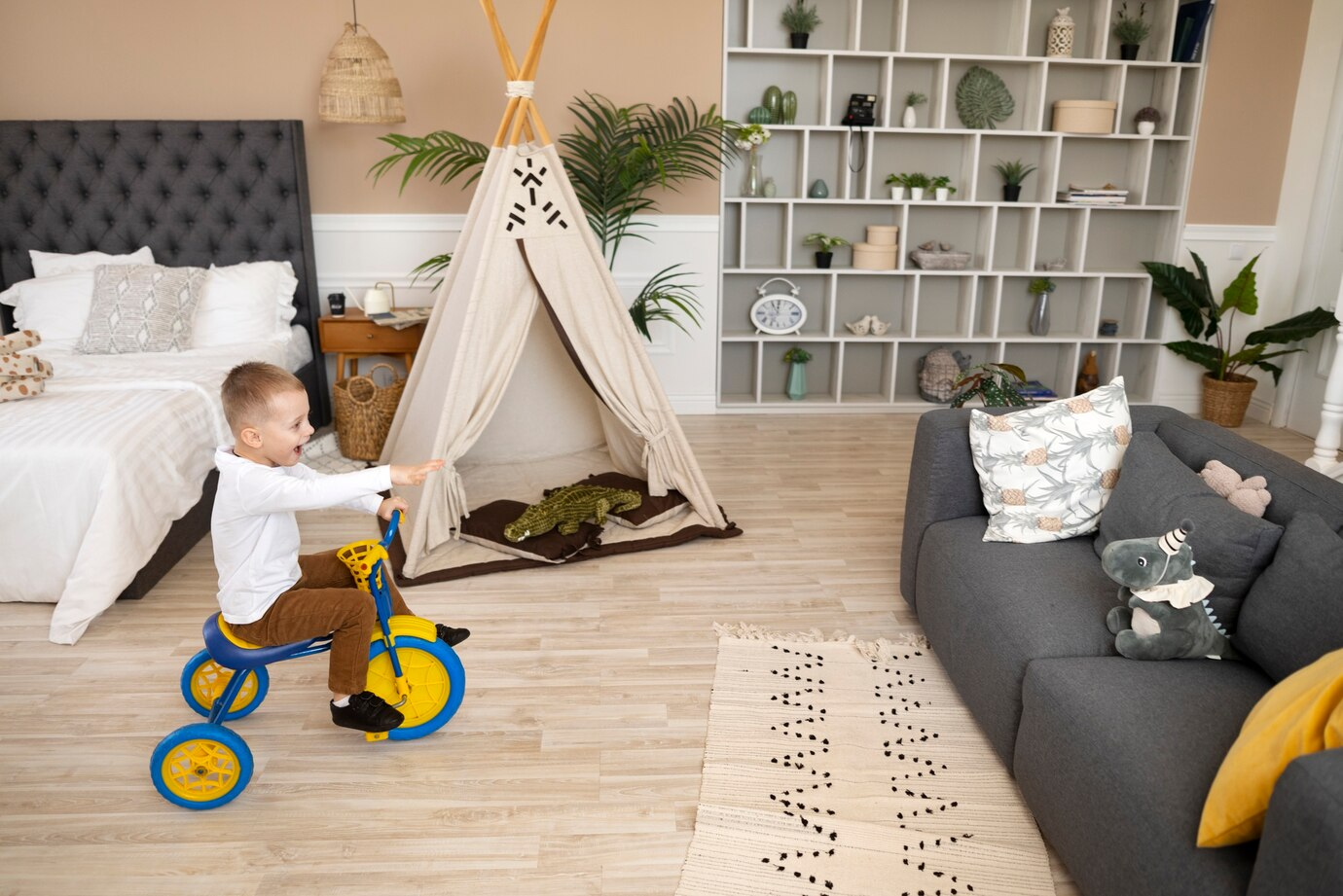
Bedrooms and home offices are low-traffic areas with minimal wear. A thickness of 6mm to 8mm works perfectly here, offering a comfortable surface at a budget-friendly price. These thinner laminates are also lighter, making them easier to handle during DIY installation.
For children’s bedrooms, consider stepping up to 8mm to 10mm. Kids’ rooms experience more impact from toys, running, and general activity. Choose a product with a higher AC rating (AC4 or above) for added scratch and abrasion resistance.
Recommended products:
Bathrooms (10mm and Above)
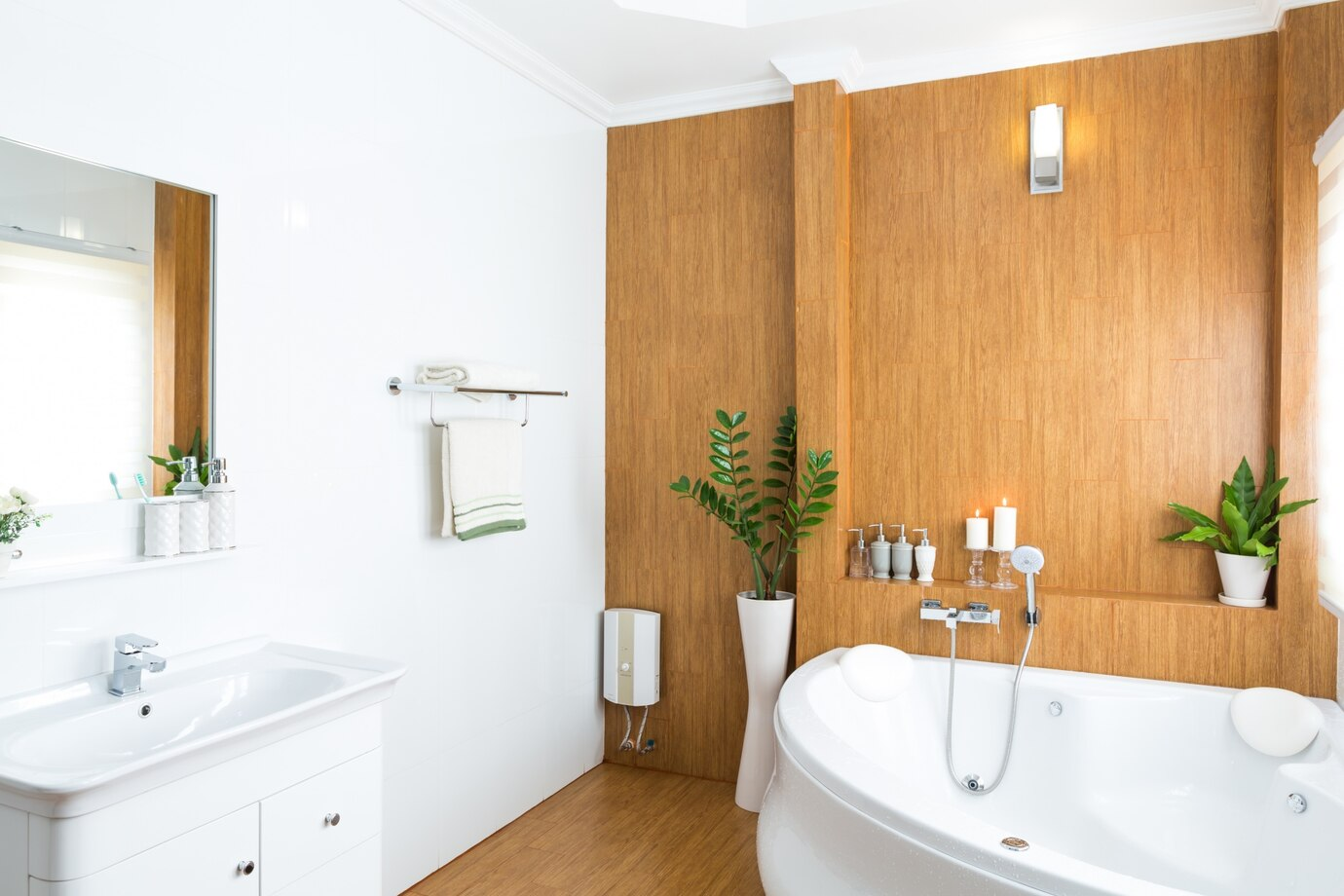
Bathrooms present the toughest challenge for laminate flooring due to constant moisture exposure, humidity, and temperature fluctuations. If you choose laminate for a bathroom, go for 10mm or thicker with a waterproof HDF core. Standard water-resistant laminate is not enough for bathrooms; you need a product specifically rated as waterproof.
A floating or click-lock installation system is essential here, as it creates tighter seams that resist water penetration. Always use a waterproof underlay and seal the perimeter edges with silicone for extra protection. Thicker boards also help bridge minor uneven subfloor issues that are common in older bathrooms.
Recommended products:
- Quick-Step Impressive Ultra Classic Oak Natural
- Quick-Step Impressive Ultra Patina Classic Oak Light
- Quick-Step Impressive Ultra Classic Oak Beige
Hallways and Living Rooms (8mm to 12mm)
Hallways are among the highest-traffic areas in any home. They endure constant foot traffic, shoes, pushchairs, and furniture being moved through. A thickness of 10mm to 12mm with an AC4 rating is the best choice for hallways.
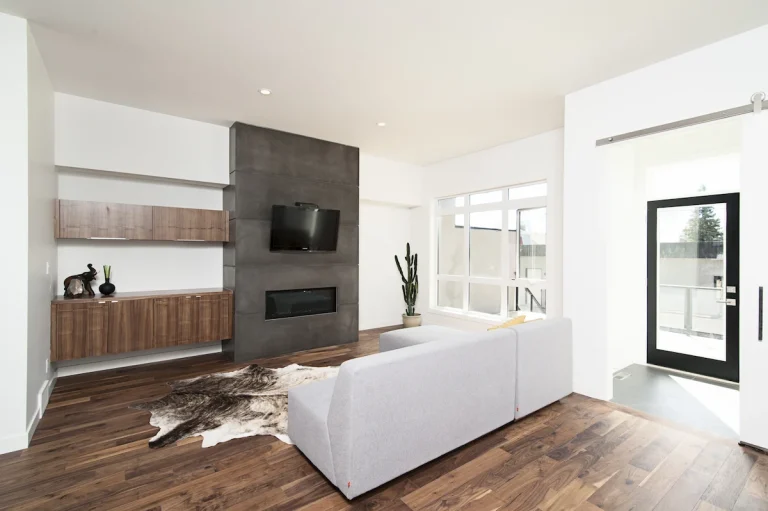
Living rooms sit in the middle ground. They receive moderate to heavy traffic depending on your household, so 8mm to 10mm usually works well. If you have pets or young children, lean towards the thicker end of the range for better scratch and impact resistance.
Garages and Commercial Spaces (12mm and Above)
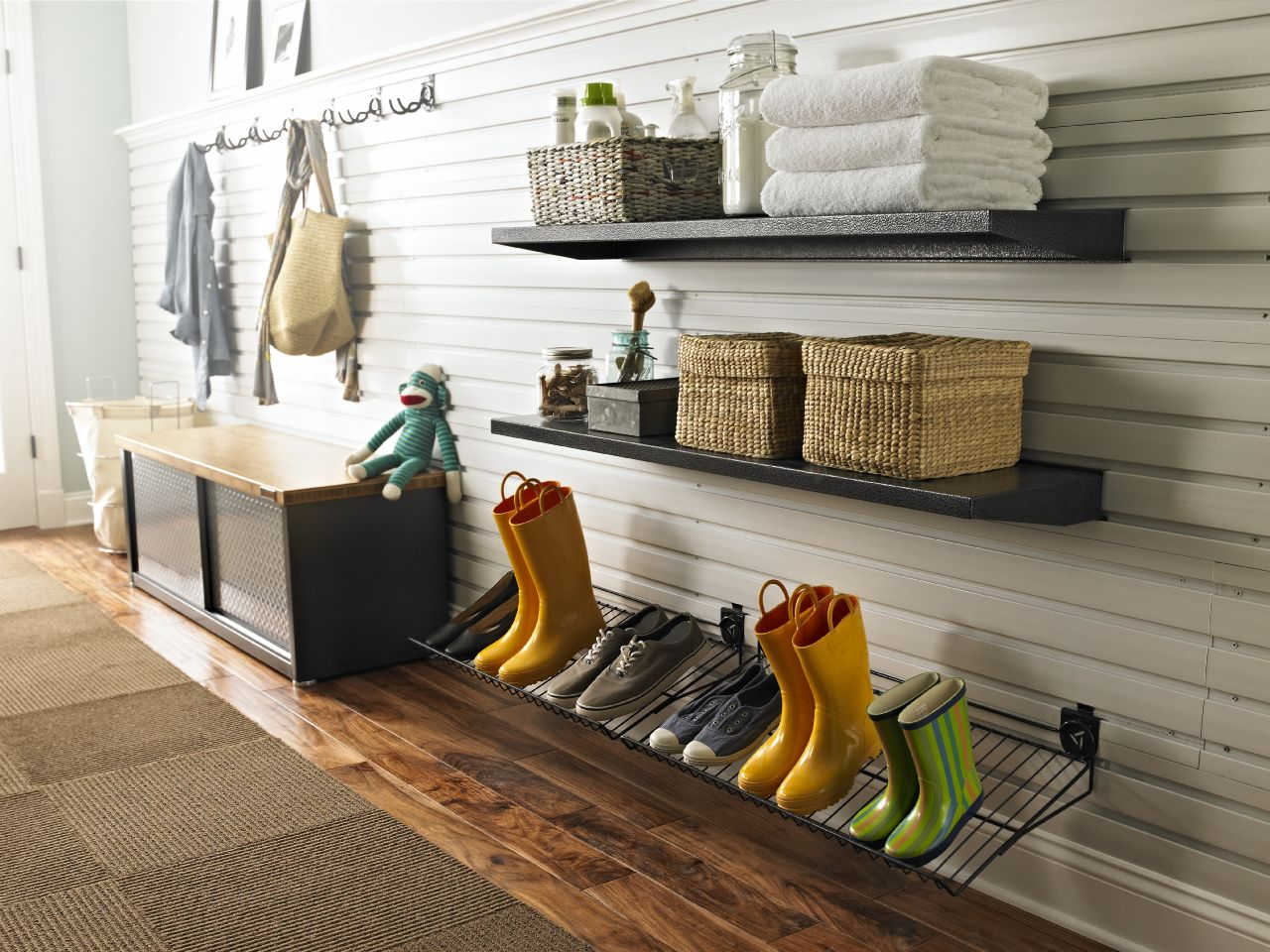
Garages, workshops, restaurants, and retail spaces demand the thickest laminate available. Go for 12mm or above with an AC5 rating. These environments experience heavy impact from dropped tools, rolling loads, temperature swings, and potential liquid exposure.
Thicker laminate provides superior impact resistance, reducing the risk of chipping or denting. For garages, ensure the product can handle temperature fluctuations without warping, and consider adding a heavy-duty moisture barrier underlay.
Laminate Flooring Thickness Comparison Table
| Thickness | Best For | Key Benefits |
|---|---|---|
| 6mm | Guest bedrooms, low-traffic rooms | Budget-friendly, lightweight, easy to install |
| 7mm to 8mm | Bedrooms, home offices | Good balance of comfort and cost |
| 10mm | Kitchens, living rooms, bathrooms | Better sound insulation, improved stability |
| 12mm+ | Hallways, garages, commercial spaces | Maximum durability and impact resistance |
Tips for Choosing the Right Laminate Thickness
Here are some practical tips to help you choose the right laminate flooring thickness for your project:
- Check your subfloor condition. If your subfloor has minor imperfections, thicker laminate (10mm+) can help mask small bumps and dips without extensive preparation work.
- Consider door clearances. Thicker laminate plus underlay may require trimming door bottoms. Measure your clearances before purchasing.
- Think about room transitions. If adjoining rooms will have different flooring types, plan for height differences and use appropriate transition strips.
- Prioritise core density over thickness. A high-density 8mm board often outperforms a low-density 12mm board. Check the product specifications carefully.
- Match AC rating to traffic level. AC3 for bedrooms, AC4 for kitchens and living areas, AC5 for commercial and high-traffic zones.
- Factor in underlay thickness. Your total floor height is board thickness plus underlay. Some laminate comes with integrated underlay, which simplifies the calculation.
How to Maintain Your Laminate Flooring
Regardless of the thickness you choose, proper maintenance extends the life of your laminate flooring significantly. Sweep or vacuum regularly to remove grit that can scratch the surface. Use a damp (not wet) mop for cleaning, and avoid harsh chemical cleaners that can damage the wear layer. For a detailed cleaning routine, read our complete guide on how to clean laminate floors.
If your laminate flooring develops swelling or water damage, act quickly. Our guide on how to repair swollen laminate flooring covers the steps to fix common moisture-related issues without replacing the entire floor.
Frequently Asked Questions
How thick is 12mm laminate flooring in inches?
12mm laminate flooring equals approximately 0.47 inches. To convert any laminate thickness from millimetres to inches, multiply by 0.039. So 6mm is about 0.24 inches, 8mm is 0.31 inches, and 10mm is 0.39 inches.
Is 8mm or 12mm laminate flooring better?
Neither is universally better. The right choice depends on where you are installing it. 8mm works perfectly for bedrooms and low-traffic rooms where budget matters and heavy wear is unlikely. 12mm is the better option for kitchens, hallways, and areas with heavy foot traffic or furniture. Always consider the AC rating and core quality alongside the thickness measurement.
Is 7mm laminate flooring any good?
Yes. 7mm laminate is a solid choice for low-traffic areas such as spare bedrooms, guest rooms, or walk-in wardrobes. With proper installation, a quality underlay, and regular maintenance, 7mm laminate can last many years in these settings. It is also a popular choice for rental properties where cost-effectiveness is a priority.
Can I use thick laminate flooring with underfloor heating?
Yes, but check the manufacturer’s specifications first. Thicker laminate can act as an insulator, reducing heat transfer from the underfloor heating system to the room surface. Most manufacturers recommend a combined thickness (laminate plus underlay) of no more than 15mm for use with underfloor heating. Choose a laminate and underlay combination specifically rated for underfloor heating compatibility.
What is the best laminate thickness for uneven floors?
Thicker laminate (10mm to 12mm) is better at bridging minor subfloor imperfections. However, laminate flooring cannot compensate for significant unevenness. If your subfloor has dips or bumps greater than 3mm over a 1-metre span, you should level it before installation. Read our guide on flooring options for uneven floors for more detailed advice.
Ready to find the perfect laminate flooring for your home? Browse our full laminate flooring collection or visit one of our showrooms for expert advice tailored to your project.